

Index
- Understanding Military Family Junk Removal Needs in Tinley Park
- PCS Moves and Rapid Relocations
- Planning Your Junk Removal Around PCS Timeline
- What to Remove vs. What to Keep During Military Moves
- Cost Considerations & Military Moving Allowances
- Recycling & Donation Options in Tinley Park
- Handling Large & Bulk Items Safely
- Pet-Friendly Junk Removal During Moves
- Local Tinley Park Resources & Regulations
- Common Mistakes Military Families Make
- Getting Started with Your Cleanout
- Frequently Asked Questions
Understanding Military Family Junk Removal Needs in Tinley Park
Military families face a unique set of challenges when relocating—especially when PCS (Permanent Change of Station) orders arrive with little notice. Unlike civilian moves, military relocations often happen quickly, require coordination with multiple household goods carriers, and involve strict weight limits and timing constraints. Tinley Park, located in Cook and Will counties on Chicago’s south side, has become home to many military families due to its proximity to active-duty installations, affordable housing, and strong community support networks.
Whether you’re moving to Fort Liberty (formerly Fort Bragg), Offutt Air Force Base, or managing a local transfer within the Chicagoland area, getting rid of excess household items before a military move saves money, time, and stress. Many military families don’t realize that household goods weight limits can trigger additional fees—every pound over allowance can cost hundreds of dollars.
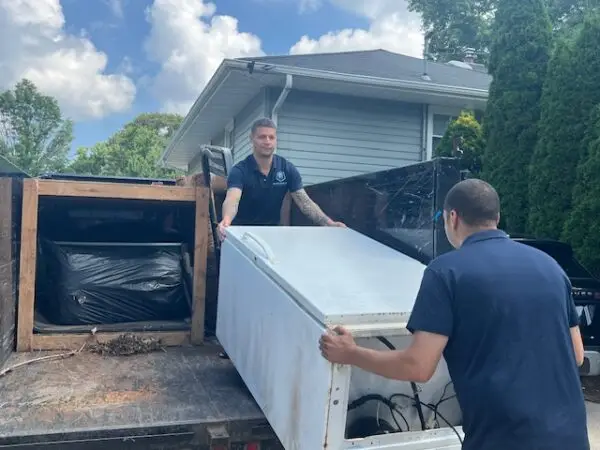
This guide walks you through the complete junk removal process for military families in Tinley Park, covering PCS timelines, local regulations, budget-friendly options, and how professional junk removal fits into your overall moving plan.
PCS Moves and Rapid Relocations
A PCS move typically gives military families 30–60 days to pack up an entire household and relocate, sometimes across the country. Unlike civilian moves, military personnel often receive a Department of Defense (DoD) weight allowance based on rank and family size. Excess weight is deducted from your dislocation allowance or charged directly to you.
Understanding your weight allowance is critical:
- E1–E4 (Junior Enlisted): Typically 5,000–7,000 lbs for individuals; add 500 lbs per dependent
- E5–O3 (Mid-Grade): Typically 8,000–10,000 lbs; add 500 lbs per dependent
- O4 and above: Typically 10,000–13,000 lbs; add 500 lbs per dependent
Consult your Military Personnel Office (MPO) or Civilian Personnel Office (CPO) for exact limits—they vary by branch and current regulations. If your household goods exceed this allowance, you’ll either pay out-of-pocket or move items via your own arrangements (including junk removal).
Planning Your Junk Removal Around PCS Timeline
The key to a stress-free military move is starting early. Ideally, you should begin junk removal and downsizing 6–8 weeks before your departure date. This buffer gives you time to sort, list items for donation or sale, and arrange professional removal without rushing.
A realistic PCS timeline:
- Week 1–2: Review your weight allowance; assess current household inventory; identify surplus items
- Week 3–4: List items for online sale (Facebook Marketplace, OfferUp, Craigslist); arrange donations with local charities
- Week 5–6: Schedule professional junk removal for items that haven’t sold; arrange pickup dates
- Week 7–8: Final walkthrough; remove any last-minute items; document the empty space for landlord/property inspection
Starting early also gives you options: you can try selling items first (which puts money back in your pocket), then donate or remove whatever remains. Rushing this process often means paying full price for junk removal when you could have recovered some value.
What to Remove vs. What to Keep During Military Moves
Military families often accumulate items over years of stateside duty, overseas assignments, and temporary housing. Not every piece of furniture or appliance is worth moving across the country. Here’s a practical decision matrix:
Items typically worth keeping:
- Essential furniture (bed frames, dining table, sofa—if sturdy and in good condition)
- Kitchen appliances (refrigerator, stove, dishwasher if moving to unfurnished quarters)
- Electronics (TV, computers, peripherals)
- Clothing, shoes, and personal accessories
- Books, photos, and irreplaceable memorabilia
- Tools, hobby equipment, and sports gear actively used
Items typically worth removing:
- Duplicate or excess furniture (three coffee tables, two bookshelves)
- Broken appliances or items needing repair
- Outdated electronics (old monitors, printers, non-functioning devices)
- Seasonal décor you rarely use
- Clothes worn out or no longer fitting
- Magazines, newspapers, catalogs more than 1–2 years old
- Expired paint, chemicals, or cleaning supplies
- Outgrown children’s toys, cribs, high chairs (if no longer needed)
A good rule of thumb: if you haven’t used it in two years or it requires replacement parts you can’t easily find, it’s probably not worth moving. This mindset not only reduces weight but also gives your new home a fresh start.
Cost Considerations & Military Moving Allowances
Military families typically receive a Dislocation Allowance (DLA) and may qualify for a Temporary Lodging Allowance (TLA) during the transition. However, junk removal and excess-weight fees usually come out of your personal funds—they are not always reimbursable by the military.
Ways to minimize costs:
- Sell items online first: Items in good condition (furniture, electronics, tools) often sell within 1–2 weeks on Facebook Marketplace or OfferUp. Pricing 10–20% below retail typically generates quick interest.
- Donate and claim tax deductions: Unlike a standard civilian move, military families may be able to deduct donations as charitable contributions. Keep receipts and photos of donated items. See the tax implications guide for Will County homeowners for detailed deduction strategies.
- Use free removal networks: Military spouse Facebook groups, NextDoor, and Craigslist “free” section often connect you with people who want bulk items at no cost. This also keeps items out of landfills.
- Bundle large items: Professional junk removal is priced by truck load. Grouping all removals into one appointment (rather than multiple pickups) saves money.
- Confirm weight before paying household goods allowance overage: Some moving companies will scale your shipment before charging excess-weight fees. Make sure this happens before paying.
Professional junk removal in Tinley Park typically ranges from $150–$400 for a single room to $800–$2,000 for full-house cleanup, depending on volume. See the junk removal pricing breakdown for a detailed cost analysis of residential services in nearby Cook County.
Recycling & Donation Options in Tinley Park
Illinois and Cook County have specific waste disposal and recycling rules. Military families should be aware of these to avoid fines and ensure items are properly handled.
Tinley Park local resources:
- Bulky Item Pickup: Check the DuPage County government website for scheduled bulk pickup dates (typically seasonal). Tinley Park residents in DuPage may qualify for free or low-cost removal of large appliances and furniture.
- Appliance Recycling: Refrigerators, freezers, and air conditioners contain refrigerants that must be properly recovered per EPA standards. Many scrap yards and recyclers in the Chicago suburbs handle these at no cost (they recycle the metal and copper).
- Electronic Waste (E-Waste): Illinois classifies computers, monitors, printers, and televisions as hazardous waste. Free e-waste drop-off events are held throughout Cook County. Contact your municipality for scheduled dates.
- Donation Networks: Goodwill, Salvation Army, and The Furniture Bank (Chicago-based) accept furniture donations. Military family support organizations like USO often coordinate large donation pickups.
Professional junk removal companies (like Waste Warriors) handle all of this for you—they sort items for recycling, donation, and proper disposal according to EPA recycling standards and Illinois waste law. This is especially valuable if you’re short on time or unfamiliar with local regulations.
Handling Large & Bulk Items Safely
Military families often own substantial furniture pieces—sectional sofas, bedroom sets, heavy appliances—that require professional removal. Improper handling can cause injury, damage to your property, or both.
Safety considerations for bulk junk removal:
- Never DIY heavy lifting: Sofas, refrigerators, and cabinet sets weigh 200–400 lbs. Moving them incorrectly can result in back injuries, broken limbs, or property damage. OSHA ergonomics guidelines recommend professional help for items over 50 lbs.
- Doorway and stairwell access: Large furniture often doesn’t fit through hallways or down stairs. Professional crews assess access routes and have tools (dollies, furniture sliders, protective padding) to navigate tight spaces safely.
- Floor and wall protection: Hardwood floors and door frames can be damaged during DIY removal. Professional teams bring protective coverings and dollies to prevent damage.
- Hazardous materials handling: Old paint cans, propane tanks, batteries, and cleaning chemicals must be disposed of separately. Improper disposal is illegal and dangerous. Professional removal companies segregate these items automatically.
A step-by-step guide to what happens during junk removal walks you through the entire process, from initial assessment to truck loading to disposal.
Pet-Friendly Junk Removal During Moves
Many military families have pets—dogs, cats, birds, or reptiles. A junk removal crew working in your home can stress animals or accidentally leave gates open, doors unlocked, or create unsafe conditions.
Pet management during junk removal:
- Secure pets before the crew arrives: Move dogs and cats to a separate room, crate, or ask a friend/family member to watch them. This keeps them calm and prevents escape.
- Communicate any special needs: Mention anxious pets, aggressive animals, or special care requirements to the removal crew upfront. Most professionals are experienced with this and will adjust their approach.
- Protect pet spaces: If pets stay in the home, make sure the removal crew knows which areas are off-limits (pet bedding, food bowls, litter boxes).
- Remove pet hazards afterward: Broken glass, nails, or debris from removal can injure paws. A quick sweep and inspection of the pet’s area ensures safety.
If you have specific concerns about pet safety during moves, review the pet-friendly junk removal guide in Oak Park for detailed protocols used by experienced crews.
Local Tinley Park Resources & Regulations
Tinley Park is split between Cook County (eastern portion) and Will County (western portion). Both counties have waste management and recycling requirements that affect how junk removal is handled.
Key local regulations:
- Bulky waste disposal bans: Illinois prohibits bulky items (furniture, appliances, construction debris) from being placed in regular trash cans. These must be picked up separately or taken to a licensed facility.
- Hazardous waste requirements: Paint, pesticides, batteries, and electronic waste cannot be disposed of in municipal landfills. The Illinois EPA maintains a directory of certified disposal facilities.
- Recycling participation: Most Tinley Park homes have access to curbside recycling. Cardboard, plastics, and metals should be separated from trash. Some junk removal companies will recycle these items rather than sending them to landfill.
- Building permits for large projects: If you’re removing large amounts of debris from a basement renovation or estate cleanup, your Tinley Park building department may require notification. Professional junk removal companies handle this.
For specific questions about what can and cannot be disposed of in Tinley Park, contact the Village of Lisle or your municipality directly. Village of Lisle waste disposal guidelines provide a model for DuPage County residents, and DuPage County waste management resources include maps of local drop-off locations for recycling and special waste.
Common Mistakes Military Families Make During Junk Removal
After years of working with military families, several avoidable errors emerge repeatedly. Learning from others’ mistakes can save you money, time, and frustration.
Mistake #1: Waiting until the last week to remove junk. This forces you to use whatever vendor is available, eliminates the option to sell items, and often results in panic decisions and overpaying. Plan at least 6–8 weeks ahead.
Mistake #2: Not measuring weight before scheduling a household goods pickup. If your belongings exceed your DoD allowance, you’ll discover this only after packers have loaded the truck. By then, it’s too late to remove items cost-effectively. Weigh items or get a load estimate early.
Mistake #3: Ignoring tax deduction opportunities. Military families who donate items but don’t keep receipts miss deductions. Take photos and get written confirmation from charities. Some employers also offer pre-tax deductions for military-related moving expenses.
Mistake #4: Hiring non-licensed junk removal services. Unlicensed movers or handymen may not properly dispose of hazardous materials, leading to fines levied against you. Always verify licensing and insurance.
Mistake #5: Not communicating special needs upfront. If you have a fragile item you want to keep, limited access to your home, or timing constraints, tell your removal company. They can plan accordingly and avoid costly mistakes.
Getting Started with Your Cleanout
Ready to move forward? Here’s your action plan for the next 7 days.
Day 1–2: Assessment
- Review your weight allowance from your MPO/CPO
- Walk through your home and list high-value items worth selling (furniture, electronics, tools)
- Identify problem areas: garage, basement, spare bedroom
Day 3–4: List & Sell
- Create listings on Facebook Marketplace, OfferUp, or Craigslist for sellable items
- Offer military-family discounts to military support communities (they often attract fast buyers)
- Arrange free giveaways on Craigslist or NextDoor for unsold items
Day 5–7: Schedule Removal
- Call or email local junk removal companies for free estimates (most provide same-day or next-day callbacks)
- Get pricing in writing, including date/time, items to be removed, and destination (recycling, donation, landfill)
- Ask about military family discounts—many removal companies honor them
- Confirm access requirements (gate codes, parking, pet management)
For detailed pricing expectations, see the residential pricing breakdown for Oak Lawn, which reflects typical Cook County rates.
Frequently Asked Questions
Can I claim junk removal expenses as a military moving deduction?
Potentially, yes—but rules vary by military branch and your specific situation. Junk removal is sometimes considered part of a qualified moving expense if it’s necessary to reduce household goods below your weight allowance. Keep all receipts and consult your military tax advisor or a tax professional familiar with military moves. The IRS allows deductions for moves ordered by the military, but the definition of “moving expenses” is narrow. See tax deduction guidance for Will County homeowners for strategies applicable to Illinois residents.
How long does a typical military junk removal take?
Most removals take 2–4 hours depending on volume. A single-bedroom cleanout typically takes 1–2 hours; a full house (3+ bedrooms) takes 3–5 hours. Professional crews work quickly because they’re trained to sort, load, and transport efficiently. Plan to be home during the removal to answer questions, but you don’t need to help—the crew handles everything.
What if I have hazardous materials like old paint or propane tanks?
Licensed junk removal companies segregate hazardous materials and dispose of them per EPA and Illinois regulations. You should never attempt to dispose of paint, solvents, batteries, propane, or pesticides in regular trash. Tell your removal company about these items upfront so they can price accordingly and bring proper safety equipment. Illinois EPA maintains certified disposal facilities throughout the state.
Do military family discounts apply to junk removal?
Many local junk removal companies (including Waste Warriors) offer military discounts, typically 10–15%. Always mention your military status when requesting estimates. Some also honor spouse or veteran status. It’s worth asking explicitly—many companies assume you know about discounts but don’t advertise them to avoid appearing promotional.
Should I remove junk before or after the household goods company packs?
Always remove junk before packers arrive. If you remove items after packing, you may still be charged weight allowance for items the packers included, and you’ll miss the opportunity to recover value by selling. Start junk removal 6–8 weeks before your move; schedule household goods packing 2–3 weeks after cleanup is complete.
What items are not accepted by junk removal companies?
Most professional companies will not remove: asbestos, lead paint, ammunition, explosives, or items requiring special hazmat transport. These are legal liabilities. Paint, batteries, and electronics are accepted by licensed companies but must be sorted separately. Confirm the items you need removed when you call for an estimate.
Can junk removal companies donate items, or do I need to arrange that separately?
Many junk removal companies have relationships with local charities and will donate usable items directly on your behalf. This is often included in their service at no extra cost. Some will even provide you with a donation receipt for tax purposes. Ask about this when you call for a quote. For items you want to donate directly, compare junk removal vs. donation options to decide which approach works best for your situation.
Ready to Move Forward?
Military families in Tinley Park don’t have to tackle junk removal alone. Whether you’re managing a PCS move, downsizing after years of active duty, or preparing a home for a new assignment, professional junk removal takes one major stressor off your plate.
Reach out to Waste Warriors Junk Removal for a free, no-obligation estimate. We specialize in rapid military moves, understand your timeline constraints, and offer military family discounts. Call +1 (630) 286-3776 or request an estimate online today. We serve Tinley Park, Lisle, and the entire Chicago suburbs—and we’re here Monday through Friday for your convenience.
For additional guidance on similar situations, explore our single parents junk removal guide, military family removals in Oak Park, and military families guide in Lisle. We’ve helped hundreds of families transition smoothly—and we’re ready to help yours.