Index
- Why Summer Is Prime Time for Junk Removal
- Planning Your Summer Cleanout: Timeline & Checklist
- Seasonal Items to Declutter in Summer
- Weather Prep & Heat Safety During Cleanouts
- Sorting Strategy: Keep, Donate, Recycle, Haul
- Reclaiming Your Outdoor Space for Summer Fun
- Junk Removal vs. DIY Hauling: When to Call the Pros
- Storage & Organization Post-Cleanout
- Summer Junk Removal Cost Expectations in DuPage County
- Local Recycling & Disposal Regulations for Wheaton
- Involving Your Family Without Creating Conflict
- Preparing for Fall & Winter Storage
- Frequently Asked Questions About Summer Junk Removal
Why Summer Is Prime Time for Junk Removal
Summer in Wheaton presents the ideal window for a deep cleanout. School is out, schedules are more flexible, and the long daylight hours mean you can tackle projects early and finish before the heat peaks. More importantly, summer is when many families reassess their living spaces before the back-to-school rush and holiday season arrive.
Research shows that 60–70% of household junk accumulates from seasonal items: winter gear, holiday decorations, broken outdoor equipment, and old furniture that didn’t make the cut in spring. Summer is when you notice these items clogging your garage, attic, and basement—exactly when you need that space for entertaining, storage, and daily life.
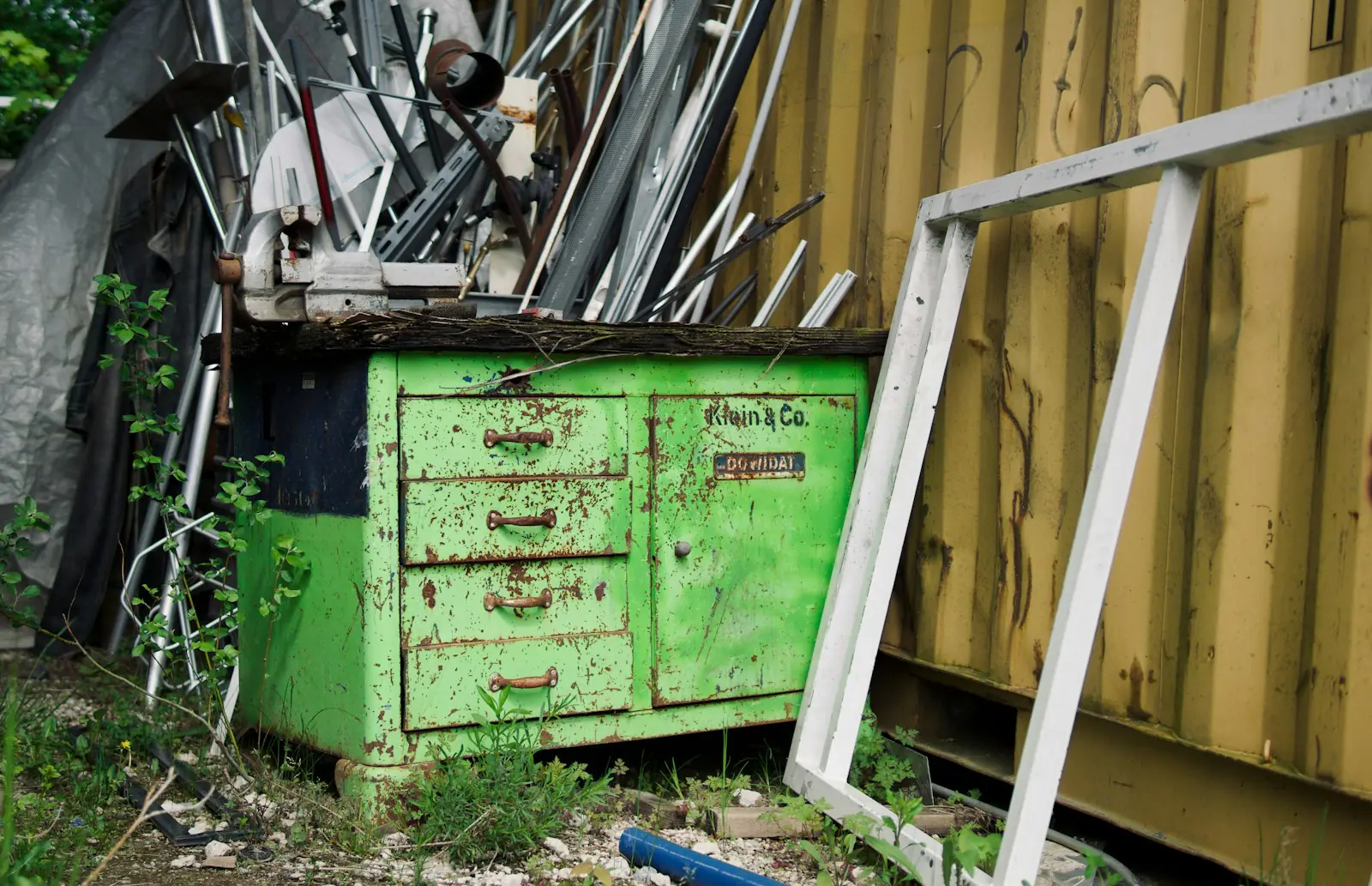
Weather cooperation is another major factor. In July and early August, Wheaton rarely experiences rain on any given day, making it easier to move items outside, sort them, and have trucks access your driveway without mud or slippery conditions. This predictability lets you plan and execute a cleanout without weather delays.
Planning Your Summer Cleanout: Timeline & Checklist
The best summer cleanouts follow a structured timeline. Start in late May or early June to avoid the peak summer travel season (July 4th week) and to finish before back-to-school madness in August.
6–8 Weeks Before (Late May)
- Walk your home and photograph cluttered areas (garage, attic, basement, outdoor corners).
- List items you know are leaving: broken appliances, old sports gear, furniture replacements.
- Check your calendar for vacation dates and schedule junk removal on a non-travel week.
- Research local junk removal providers in Wheaton to compare availability and pricing.
4–6 Weeks Before (Early June)
- Schedule a consultation or quote with your chosen junk removal service.
- Begin a 30-day “notice period”—identify items to go, let family members know, allow time to change minds.
- Create a spreadsheet with room-by-room breakdown of what’s leaving.
- Research donation drop-off locations and recycling centers near you.
2–4 Weeks Before (Mid-June)
- Sort items into piles: keep, donate, recycle, haul.
- Photograph valuable items for donation tax deduction records.
- Finalize your junk removal appointment.
- Notify neighbors (optional courtesy if your street is narrow or parking is tight).
1 Week Before
- Confirm the appointment 2–3 days out.
- Move keep-items to a secure location so they are not accidentally removed.
- Clear driveway and entry paths so the crew can access the home quickly.
- Take final before photos for your records.
Day of Pickup
- Be home 15 minutes before the scheduled window.
- Walk the crew through the home and point out all areas with junk.
- Ask questions about what’s being recycled vs. landfilled (transparency matters).
- Get a receipt or completion confirmation.
Seasonal Items to Declutter in Summer
Summer is the perfect moment to audit what you’re actually using. Many households retain items “just in case,” but summer exposes the items gathering dust.
Winter Gear & Cold-Weather Clothing
Heavy coats, snow boots, thermal layers, and holiday sweaters take up closet and storage space year-round. Summer is when you realize you haven’t worn that thick parka in 3 years. If it no longer fits, is out of style, or is stained, donate or recycle it. Keep only what you’ll genuinely wear next winter.
Broken Outdoor Equipment
Lawn mowers that won’t start, grills with rusted grates, old garden hoses, broken lawn chairs—these items pile up in sheds and garages. Summer is when you use outdoor space most, so broken equipment is now obvious. If you haven’t fixed it by June, you’re not going to.
Holiday Decorations & Storage Containers
Christmas lights, inflatable yard decorations, holiday plates and napkins, and oversized storage bins accumulate. Assess which decorations you actually put up each year. Broken strings, faded inflatables, and decor you no longer like are prime candidates for removal.
Old Furniture & Worn-Out Bedding
Summer furniture shopping alerts you to what’s outdated in your home. Old dressers, nightstands, side tables, and stained or lumpy mattresses can go. If you’ve been meaning to reupholster something for two years, it’s time to admit it’s not happening and haul it away.
Unused Sports & Recreation Gear
Skis, snowboards, old bicycles, roller skates, tennis rackets, and golf bags. If you haven’t used them in a full year, be honest: you’re not going to. Donate functional items to thrift stores or sports-specific nonprofits; recycle metals and plastics properly.
Weather Prep & Heat Safety During Cleanouts
Wheaton summers average 77–80°F (25–27°C), with humidity in the 60–70% range. If you’re sorting and hauling yourself, heat safety is critical. If you hire a junk removal crew, they manage the physical demands—but you should still understand the best practices.
Hydration & Timing
Schedule heavy lifting early morning (7–9 AM) or late evening (5–7 PM) to avoid peak heat (12–3 PM). Drink 8–16 oz of water every 15–20 minutes while working outdoors. Avoid alcohol and excessive caffeine, which dehydrate faster.
Protective Clothing & Gear
- Wear light-colored, moisture-wicking clothing.
- Use a wide-brimmed hat or cap.
- Apply broad-spectrum SPF 30+ sunscreen every 2 hours.
- Wear sturdy, closed-toe shoes with good grip (not sandals).
- Use work gloves to protect hands from sharp edges and splinters.
Rest & Recovery
Take 10–15 minute breaks every hour. Step inside to air conditioning, cool down, and rehydrate. Watch for signs of heat exhaustion: dizziness, nausea, rapid heartbeat, or excessive fatigue. If you feel faint, stop immediately and move to shade or air conditioning.
Professional Crew Safety
Professional junk removal teams are trained in safe lifting techniques and heat management. They bring water, take scheduled breaks, and move efficiently to minimize time in direct sun. This is one reason hiring professionals during summer heat is a smart investment.
Sorting Strategy: Keep, Donate, Recycle, Haul
The key to a successful cleanout is a clear sorting system. Ambiguity creates delays and decision paralysis.
The Keep Pile
Items you use regularly, love, or need for function. Examples: seasonal clothes you’ll wear next winter, working lawn equipment, furniture you sit on. Keep piles should be small and deliberate. If you’re unsure, it probably belongs in another category.
The Donate Pile
Functional items in decent condition that you no longer use. Clothes, books, kitchen gadgets, toys kids have outgrown, furniture in fair condition. Donation is often a better choice than junk removal if items have resale value, and you may qualify for a tax deduction. Local Wheaton thrift stores, Goodwill, and Salvation Army accept most donations Monday–Friday during business hours.
The Recycle Pile
Electronics, metal, glass, cardboard, and plastic that can be processed into new materials. EPA’s recycling guidelines detail what’s accepted in most curbside programs. DuPage County accepts electronics, appliances, and metal at specialized drop-off centers. Keep this pile organized by material type so drop-off is efficient.
The Haul Pile
Broken, stained, unusable, or items nobody wants. Non-functional appliances, ripped furniture, old mattresses, construction debris, and hazardous waste (paint, batteries, chemicals) belong here. Professional junk removal is the safest and most efficient way to handle this pile.
Pro Tip: Create separate areas in your garage or driveway for each pile. Use signs or colored tape so family members don’t accidentally mix categories. This clarity speeds up the process and prevents last-minute disputes.
Reclaiming Your Outdoor Space for Summer Fun
Summer is the season you actually use your outdoor space. A cluttered yard, patio, or deck prevents entertaining, relaxing, and creating memories with family.
Patio & Deck Assessment
Clear broken patio furniture, old planters, unused grills, and debris. A clean patio instantly feels larger and more inviting. If you’ve stored seasonal items (holiday lights, pool toys, camping gear) in corners or under decks, consolidate or remove.
Shed & Garage Inventory
Sheds often become catch-all storage for items no one remembers. Walk through with a notebook and identify: broken tools, old paint cans, dried-out garden hoses, rodent-infested boxes. These are prime junk removal candidates and reclaim valuable storage space for items you actually need.
Yard Equipment & Landscaping
Old lumber, scrap metal, broken rakes, hoses, and outdoor furniture scattered across the yard create an unkempt appearance. A junk removal crew can clear these in a single visit, leaving your yard clean and ready for entertaining.
Driveway & Entry Area
The front and side of your home are the first impression visitors see. Remove old planters, broken chairs, stacked pallets, and miscellaneous items crowding your driveway. This also improves curb appeal if you’re considering home improvements or eventual sale.
Junk Removal vs. DIY Hauling: When to Call the Pros
Weighing junk removal against DIY options depends on time, cost, physical ability, and the volume of items. Let’s break it down.
DIY Hauling (Renting a Dumpster or Using Your Truck)
Pros: Lower upfront cost per cubic yard; complete control over what goes where; flexibility to work at your own pace.
Cons: Physically demanding (heavy lifting, back strain); time-intensive (hauling to landfill or recycling center yourself); dumpster rental requires permit approval in Wheaton; you bear liability if items are not properly disposed of; no recycling expertise to maximize what’s recovered.
Professional Junk Removal
Pros: All-inclusive (pickup, sorting, recycling, disposal); fast (1–3 hours); safe lifting handled by trained crew; expertise in recycling vs. landfill routing; no heavy lifting or back injury risk; transparent pricing; convenient scheduling.
Cons: Higher upfront cost; less direct control; scheduling dependencies.
When to Choose DIY
- Small load (10–15 items, under 1,500 lbs).
- You have access to a truck and are physically able to lift.
- You have time to sort, haul, and potentially visit multiple locations.
- Budget is the primary constraint.
When to Choose Professional Junk Removal
- Large volume (>20 items or full-room cleanout).
- Bulky items (furniture, appliances, mattresses) that are hard to maneuver.
- You want items properly recycled and disposed of responsibly.
- Time is limited (work, family, other commitments).
- Physical limitations (back pain, age, mobility issues) make lifting unsafe.
- You need documentation for donation tax deductions.
Professional junk removal differs fundamentally from hiring movers—movers transport items you’re keeping; junk removal disposes of unwanted items responsibly.
Storage & Organization Post-Cleanout
Once you’ve removed junk, don’t fall into the same pattern. Implement systems to keep your space organized through fall and winter.
Zone Your Storage
Divide your garage, attic, or basement into zones: holiday decorations, seasonal clothing, tools, sports equipment, and archived documents. Label clearly so family members know where items belong.
Vertical Shelving & Wall-Mounted Systems
Use wall-mounted racks, pegboards, and shelving to maximize vertical space. This keeps items visible, accessible, and off the floor. Summer is the ideal time to install shelving before fall when you’ll want those systems in place.
Clear Storage Bins with Labels
Opaque bins hide clutter but make it hard to find items. Invest in clear, stackable storage containers with printed labels (Holiday Lights, Winter Coats, Pool Toys). This prevents “mystery boxes” and reduces duplicate purchases.
First-In, First-Out Discipline
When you store an item, write the date on it. Every 6–12 months, audit that zone. If an item hasn’t moved or been used since you stored it, it’s a candidate for removal.
Summer Junk Removal Cost Expectations in DuPage County
Summer junk removal pricing in Wheaton and DuPage County typically ranges from $150–$1,200+ depending on volume and item type. Here’s what drives cost:
Volume-Based Pricing
- 1/4 Truck Load: 5–10 items, ~$150–$300.
- 1/2 Truck Load: 10–20 items, ~$400–$650.
- Full Truck Load: 20+ items or entire room, ~$800–$1,200+.
Item-Specific Costs
Certain items incur extra fees: mattresses ($50–$100), large appliances ($75–$150), e-waste ($50–$200), and hazardous materials (paint, batteries, chemicals — $25–$75 per category). Professional crews know local regulations and handle these items compliantly.
Accessibility & Distance
If your home is on a narrow street with limited driveway access, or if items are in a difficult-to-reach attic or basement, labor costs may be higher. Most providers offer free estimates to assess logistics.
Timing Premium
Peak summer season (June–July) may carry a 10–15% premium due to high demand. Booking for late June or early August may offer better rates. Off-peak fall and winter rates are often 15–20% lower.
Local Recycling & Disposal Regulations for Wheaton
Understanding local rules ensures your junk removal is compliant and environmentally responsible.
DuPage County Waste Guidelines
DuPage County manages waste and recycling for Wheaton. Curbside pickup accepts paper, cardboard, plastics #1–#7, glass, and metals. Electronics, appliances, and hazardous waste require drop-off at specialized facilities, not curbside.
Illinois EPA Compliance
Illinois EPA regulations restrict certain items from landfills: lead-based paint, batteries, fluorescent bulbs, and electronics. Professional junk removal companies are trained in these restrictions and route items accordingly.
Hazardous Materials
Paint, solvents, pesticides, and motor oil require special handling. Never place these in standard junk removal. Instead, contact DuPage County Household Hazardous Waste Collection (held seasonally) or inform your junk removal provider upfront so they can arrange proper disposal.
Construction & Demolition Debris
If your cleanout includes drywall, roofing, concrete, or wood scraps, these may be subject to separate C&D debris regulations. Professional crews handle sorting and compliance; DIY haulers may face penalties if disposal rules are violated.
Bottom Line: Professional junk removal takes regulatory burden off your shoulders. They know Wheaton and DuPage rules and route materials responsibly.
Involving Your Family Without Creating Conflict
Summer cleanouts often involve families: spouses, children, elderly relatives. Communication prevents resentment and delays.
Set Clear Expectations Upfront
In May or early June, gather your household and explain the cleanout plan: why you’re doing it, what timeline you’re following, and what happens to items. When people understand the reasoning, they’re more cooperative.
Create Individual “Keep” Zones
If you have a partner or children, allow each person a designated area (closet, shelf, storage bin) where they control what stays and goes. This autonomy reduces friction. Set a deadline (items not claimed by June 15 are up for removal) to prevent endless deliberation.
Document Sentimental Items
If an item has emotional value but is broken or unusable, photograph it before removing it. Create a family album or shared digital folder of “memories we’re letting go of.” This honors the emotional attachment without hoarding the physical object.
Involve Kids in Donation Decisions
Let children choose toys and clothes to donate. Explain where they’re going (thrift store, other kids) to reinforce generosity. Family-focused junk removal often teaches children valuable lessons about consumption and giving back.
Address Elderly Parents’ Attachments
If aging parents are downsizing or you’re clearing their home, be patient. Their items represent decades of memories. Involve them in the sorting process if they’re able, or at least ask permission and explain the plan. Respect and empathy prevent family conflict.
Preparing for Fall & Winter Storage
Once your summer cleanout is complete, prepare for the next season so you don’t accumulate again.
Create a Summer-to-Fall Transition Checklist
- August: Start rotating summer clothes to storage bins; audit holiday decorations to identify what you’ll use in December.
- September: Consolidate summer sports gear (pools, bikes, skateboards); make final decisions on broken items still sitting in the garage.
- October: Clean gutters and outdoor spaces before winter weather; store yard furniture and outdoor rugs.
Implement a “One In, One Out” Rule
When fall and winter bring new purchases (clothes, holiday decor, holiday gifts), commit to removing one item for every new item that enters. This prevents re-cluttering.
Schedule Fall Cleanup
Seasonal cleanout best practices apply year-round. Plan a smaller fall junk removal (September or October) to handle dead leaves, seasonal gear, and items that accumulated over summer. A 30-minute fall refresh prevents a chaotic winter and spring.
Prepare for Holiday Decluttering
November and December bring gift shopping and holiday decor. Reserve one closet or attic zone for incoming holiday items so you don’t scatter them. After the holidays (January), schedule a removal for broken decorations and unwanted gifts.
Frequently Asked Questions About Summer Junk Removal
What’s the best week in summer to schedule junk removal in Wheaton?
Late June (after schools close) or early August (before back-to-school rush) are ideal. Avoid July 4th week and mid-August when families vacation. Tuesday through Thursday typically have better availability and shorter wait times than Mondays and Fridays.
Can I get a tax deduction for donated items removed by a junk removal service?
Yes, if items are donated to a qualified charity (Goodwill, Salvation Army, local nonprofits). Ask your junk removal provider which organizations they partner with and request documentation. Photograph items and keep receipts for your tax professional. Tax implications vary by state and item type, so consult a CPA or tax advisor for specific guidance.
How do I know if an item should be recycled vs. thrown in the trash?
Electronics, metals, glass, paper, cardboard, and plastics are recyclable. Most other items are waste. If you’re unsure, ask your junk removal crew—they’re trained in sorting. EPA’s recycling guidelines and local DuPage County resources provide detailed material lists.
Is professional junk removal more expensive than renting a dumpster?
Not always. A 10-day dumpster rental in DuPage County costs $300–$500 plus potential overage fees and permits. Professional junk removal for a similar volume is often $400–$800, but includes labor (no lifting), sorting (items properly recycled), and no permit hassles. For a full-home cleanout, professionals often cost less when you factor in your time and convenience.
What should I do if I find items with sentimental value during the cleanout?
Pause and make a conscious choice. If you want to keep it, move it to your keep pile immediately. If it’s broken or unusable but meaningful, photograph it (create a digital memory before it goes). If you’re unsure, set it aside for 24 hours; often the urgency fades and you realize you’re ready to let it go. Lisle area neighbors often share that letting go becomes easier once you document memories.
Do I need to be home when the junk removal crew arrives?
Yes, it’s highly recommended. Being home during the service allows you to walk the crew through your home, answer questions, and confirm what’s being removed. You can also discuss any items you’ve changed your mind about in the moment. Arrive 15 minutes early and have a clear path for the crew to access all areas.
What happens to the items after they leave my house?
Professional junk removal companies sort items: recyclables go to material-recovery facilities, donations go to charities, and non-recyclable waste goes to permitted landfills. Reputable companies prioritize recycling and donation to minimize landfill impact. Ask your provider about their diversion rate (percentage sent to recycling/donation vs. landfill)—it shows their environmental commitment.
Ready to Reclaim Your Summer Space?
A cluttered home drains energy; a clean, organized space energizes you. Summer is the window to act—clear skies, long days, and the motivation of enjoying your outdoor space. Whether you tackle a small corner or commit to a full-home cleanout, the mental clarity and physical space you gain will make every summer day feel better.
Professional junk removal takes the physical burden off you, handles sorting and disposal responsibly, and delivers results in hours, not weeks. If you’re in Wheaton or the surrounding DuPage County area, connect with a trusted local provider who understands your space and community regulations. Your future self—relaxing on a clean patio, using an organized garage, and enjoying your home fully—will thank you.