
Table of Contents
- Why Fall Is Peak Season for Junk Removal in Addison
- Gutter, Leaf, and Yard Debris Removal
- HVAC and Furnace Prep: What to Discard
- Basement and Attic Audit Before Winter
- Holiday Decoration Storage and Rotation
- Seasonal Furniture Swap and Replacement
- Donation Timeline and Tax Write-Off Opportunities
- Scheduling Your Fall Junk Removal
- Common Fall Cleanout Mistakes to Avoid
- DIY Fall Cleanup vs. Professional Removal
- Local Disposal and Recycling Options in Addison
- Frequently Asked Questions
- Ready to Schedule Your Fall Cleanout
Why Fall Is Peak Season for Junk Removal in Addison
Fall in Addison arrives with a natural deadline: the first freeze and winter storms. Homeowners who wait until December or January face ice hazards, contractor availability drops, and the urgency becomes emergency-level rather than strategic.
September through early November is the sweet spot for seasonal cleanouts because:
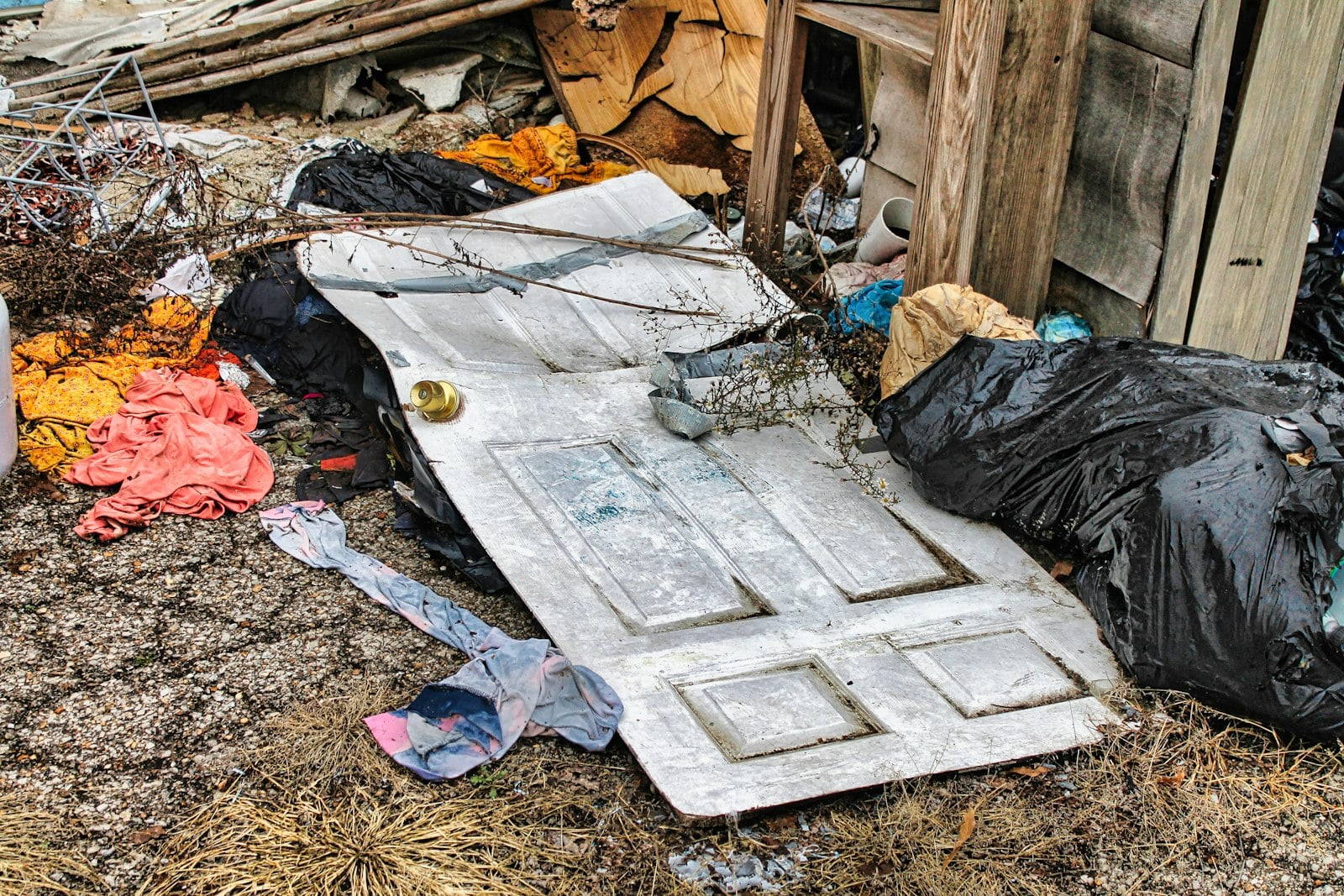
- Weather is mild for moving heavy items and outdoor debris sorting.
- Before gutter-cleaning season peaks, you can remove overhanging branches and clear eaves.
- HVAC contractors are less booked; you can complete furnace-prep junk removal without weeks-long delays.
- Holiday storage bins can be organized and decluttered while daylight is still plentiful.
- Tax-deductible donations can be completed by year-end.
In Addison’s DuPage County climate, fall cleanouts prevent the “March surprise”—when spring cleanup reveals winter damage to items stored improperly or junk piled against foundations.
Gutter, Leaf, and Yard Debris Removal
Gutters clogged with leaves reduce water flow and invite ice dams. Before autumn leaves peak (mid-October in the Chicago suburbs), remove dead branches, old garden stakes, and deteriorated landscaping materials from yards and eaves.
What to Remove From Gutters and Yards
- Dead branches hanging over rooflines or gutters.
- Damaged or rusted garden tools (rakes, shovels, hoses with holes).
- Old garden stakes, trellises, and fence sections that have rotted or become unstable.
- Landscape fabric or mulch barriers that have deteriorated and tangled in debris.
- Fibrous or bulky mulch piles that attract pests before winter.
- Lawn equipment in disrepair (tillers, aerators, spreaders) that won’t survive outdoor winter storage.
Debris Staging and Removal
Pile yard waste in a designated corner away from foundations. Leaves and small branches can sometimes be composted or recycled through municipal leaf-collection programs offered by the DuPage County government, but larger limbs, old fencing, and metal gardening items require professional removal. Staging makes the final haul faster and safer for removal crews.
HVAC and Furnace Prep: What to Discard
Fall is the time to prepare heating systems and remove clutter around furnaces, water heaters, and mechanical spaces. Before turning on furnaces for the first time in six months, clear the surrounding area of boxes, old filters, damaged insulation, and defunct equipment.
Items to Remove Before Heating Season
- Old furnace filters and filter housings (replace with new filters; discard deteriorated materials).
- Outdated or non-functional humidifiers or dehumidifiers.
- Damaged ductwork sections that have been patched or taped temporarily.
- Asbestos-wrapped pipes (if present, consult professionals; do not disturb).
- Broken or obsolete thermostats and control panels.
- Stacks of old HVAC service records, warranties, and instruction manuals (digitize if needed; recycle paper).
- Insulation scraps and weatherstripping remnants.
- Defunct space heaters or portable AC units.
Safety and Code Compliance
Clearing mechanical spaces reduces fire hazard and improves airflow to heating systems. It also ensures HVAC contractors can work safely during maintenance visits. If you’re uncertain about removing something near your furnace or water heater, consult a licensed HVAC technician before scheduling junk removal.
Basement and Attic Audit Before Winter
Winter moisture, ice, and snow weight stress basements and attics. Before the season turns, audit these spaces and remove anything that risks water damage, pest infestation, or structural compromise.
Basement Audit Checklist
- Remove boxes stacked against exterior walls (water intrusion risk).
- Discard waterlogged cardboard, particleboard furniture, and water-damaged insulation.
- Identify and remove old sump pump parts, failed dehumidifiers, and non-functioning floor drains.
- Clear clutter near furnaces, water heaters, and electrical panels for safety and access.
- Remove clothing, papers, and textiles stored on the floor or low shelves (mold and rodent risk).
Attic Audit Checklist
- Remove loose insulation fragments, deteriorated batts, or damaged vapor barriers.
- Discard roof-damaged items (boxes with water stains, compromised storage containers).
- Clear debris and old nesting materials from eaves and rafters.
- Remove large items that reduce airflow or block ventilation (old furniture, trunks, exercise equipment).
- Identify and remove bird nests or pest habitats.
A basement cleanout guide specific to the Chicago suburbs can help prioritize which items pose the highest risk. Many homeowners are surprised by how much basement and attic junk accumulates over five to ten years.
Holiday Decoration Storage and Rotation
Fall is when holiday decorations emerge from attics and garages. Before storing them for winter, audit what you actually use and donate or discard the rest.
Decoration Audit Strategy
- Identify duplicates: Multiple sets of outdoor lights, wreaths, or inflatables purchased over years.
- Assess condition: Broken lights, rusted ornament holders, crumbling foam decorations, tangled cords beyond repair.
- Evaluate space: Do you have room to store all these items safely, or are they crowding out functional storage?
- Consider relevance: Holiday décor trends shift; outdated or culturally mismatched items can be donated or recycled.
- Check for hazards: Old floral foam (potential mold source), deteriorated electrical decorations, or insect-infested storage containers.
Smart Storage Solutions
After decluttering, use clear plastic bins labeled by holiday and room. Store in climate-controlled areas (basements risk moisture; uninsulated garages risk freeze-thaw damage). Donations of used decorations in good condition are tax-deductible; see tax deductions for donations for details on claiming value.
Seasonal Furniture Swap and Replacement
Fall is the traditional time to swap out summer furniture (patio sets, outdoor chaises, picnic tables) and prepare living spaces for indoor gatherings. This is also when old, worn, or mismatched furniture often needs removal.
Identifying Furniture to Remove
- Patio and garden furniture with broken frames, cracked plastic, or rusted metal.
- Indoor furniture being replaced (sofas, chairs, dressers)—especially if too bulky for donation.
- Waterlogged or weathered pieces left outdoors or stored in damp garages.
- Mismatched or incomplete sets (sofas missing cushions, chairs with broken legs).
- Overstuffed storage ottomans or benches filled with forgotten items.
Donation vs. Removal
Furniture in good condition (even if dated) qualifies for tax deduction if donated to registered nonprofits. Furniture removal services typically handle both donation logistics and items too damaged for reuse. Coordinating removal and donation in one trip saves time and simplifies tax documentation.
Donation Timeline and Tax Write-Off Opportunities
Donations made by December 31st are deductible on your current-year tax return (if you itemize). Fall cleanouts align perfectly with this deadline.
Tax-Deductible Items
- Furniture (sofas, tables, chairs, dressers, nightstands).
- Clothing and shoes in wearable condition.
- Kitchen items, cookware, and dishes.
- Books, educational materials, and office equipment.
- Holiday decorations in working order.
- Garden tools and small equipment.
- Electronics (computers, monitors, printers—if functional or partially functional).
Documentation and Valuation
Take photos of items before donation. Request a donation receipt from the nonprofit; some provide itemized lists, while others give you a blank form to fill in. Fair-market value (what a thrift store would charge) is the standard. Websites like the Consumer Reports valuation guide help estimate reasonable prices. For more detail on maximizing tax benefits, consult junk removal tax deductions in Illinois.
Scheduling Your Fall Junk Removal
Fall demand for junk removal peaks in late September through mid-October. Scheduling early ensures availability and allows crews to remove debris before gutter-cleaning season and pre-winter repairs compete for service slots.
Booking Timeline
- August–early September: Best-case scenario. Lowest demand, fastest scheduling, often better pricing.
- Mid-September to mid-October: Peak season. Higher volume, some date constraints, but still reasonable availability.
- Late October–November: Growing competition with gutter cleaning, roof repairs, and furnace maintenance calls.
- December: Holiday moves and year-end decluttering surge; availability tight and prices elevated.
Preparation Steps Before Removal
- Sort items into categories (donate, recycle, trash, salvage).
- Stage items in easily accessible areas (driveway, front room, garage).
- Take photos for tax documentation if donating.
- Confirm with neighbors if removal will affect shared driveways or parking.
- Clear a safe path for removal crews from house to truck.
For junk removal pricing guidance, volume, item types, and location within the Addison area determine cost. Professional estimates are typically free and non-binding.
Common Fall Cleanout Mistakes to Avoid
Many Addison homeowners approach fall cleanouts without a plan, leading to costly delays and wasted resources.
Mistake #1: Procrastinating Until November
Waiting until late autumn or early winter creates bottlenecks. Removal crews are booked; weather becomes unpredictable; you risk incomplete cleanouts before the worst weather arrives.
Mistake #2: Mixing Hazardous Materials With Regular Junk
Paint cans, oil, batteries, fluorescent bulbs, and pesticides cannot go into standard junk removal. Research local hazardous-waste drop-off dates (offered by DuPage County and the Village of Lisle) and dispose of these separately. Mixing them with regular removal adds cost and delays the job.
Mistake #3: Donating Items Without Documentation
Without photos and donation receipts, you cannot claim tax deductions. Keep a simple spreadsheet or folder of donation photos and nonprofit receipts.
Mistake #4: Overloading DIY Removal Attempts
Renting a dumpster and moving large furniture yourself seems cost-effective but often results in injury, incomplete jobs, and higher-than-expected rental fees. Learn about common cleanout mistakes and why professional removal is often faster and safer.
Mistake #5: Ignoring Electrical and Mechanical Items
Old space heaters, window AC units, dehumidifiers, and other electronics need proper recycling. Dumping them in landfills is illegal in Illinois; the Illinois EPA oversees e-waste disposal. Professional removal crews handle this compliance automatically.
DIY Fall Cleanup vs. Professional Removal
Weighing the costs and benefits helps you decide whether to tackle fall cleanout alone or hire professionals.
DIY Pros and Cons
| Pros | Cons |
| Lower upfront cost (if you have help and transportation). | Time-intensive; many homeowners underestimate hours needed. |
| Full control over sorting and donations. | Physical strain and injury risk, especially for heavy items. |
| Flexible timeline. | Rental truck, fuel, and dump fees add up; often exceed professional pricing for large jobs. |
| Hazardous materials require separate disposal (complexity). |
Professional Removal Pros and Cons
| Pros | Cons |
| One-day completion for most jobs. | Higher upfront cost per job. |
| Crews handle heavy lifting; no injury risk. | Less control over exact sorting methods. |
| Hazardous materials, e-waste, and donations handled properly. | Availability dependent on season and crew scheduling. |
| Donation logistics and tax paperwork simplified. |
For most fall cleanouts in Addison involving multiple rooms, furniture, and yard waste, professional professional junk removal is cost-competitive when you factor in your time, rental fees, and risk of incomplete jobs.
Local Disposal and Recycling Options in Addison
Understanding Addison’s waste infrastructure ensures proper disposal and regulatory compliance.
Municipal and County Resources
- DuPage County Hazardous Waste Days: Twice-yearly drop-off events for paint, batteries, electronics, pesticides, and oils. Check DuPage County’s website for 2026 dates.
- Leaf Collection Programs: Many suburbs, including Addison and neighboring communities, offer free or low-cost municipal leaf collection in fall. Collected leaves are composted and sometimes made available to residents.
- Donation Centers: The Village of Lisle and surrounding DuPage communities maintain lists of nonprofit donation centers (Goodwill, Salvation Army, Habitat ReStore).
- E-Waste Recycling: Electronics (computers, monitors, televisions) must be recycled through certified e-waste programs; the EPA recycling guidance lists certified processors.
- Construction and Demolition Debris: If your fall cleanout includes drywall, wood scraps, or roofing materials, check Illinois EPA resources for licensed construction-debris processors.
Safer Lifting and Labor Practices
If you choose to handle removal yourself or work alongside professionals, follow OSHA ergonomic safety guidelines for lifting and carrying. Improper technique during fall cleanouts is a common source of back and shoulder injuries.
Frequently Asked Questions
When is the best time to schedule fall junk removal in Addison?
Late August through mid-September offers the best availability, lowest pricing, and most favorable weather. Peak demand runs mid-September to mid-October. December becomes crowded due to holiday moves. Scheduling at least two weeks in advance ensures your preferred date.
Can I claim tax deductions for items I donate during a fall cleanout?
Yes, if you donate to a registered 501(c)(3) nonprofit and itemize deductions on your tax return. Furniture, clothing, kitchenware, books, and working electronics are commonly deductible. Keep donation receipts and take photos of items for documentation. Consult a tax professional or review junk removal tax deductions in Illinois for specific guidance.
How much does fall junk removal typically cost in Addison?
Pricing depends on volume, item types, and labor required. A typical junk removal pricing guide for the area shows single-room cleanouts starting around $400–$800, while multi-room or yard-debris jobs range $800–$2,500+. Free estimates from local providers clarify exact costs for your situation.
What items are not safe to include in regular junk removal?
Hazardous materials (paint, oil, batteries, pesticides, fluorescent bulbs), refrigerants (from old AC units or refrigerators), and asbestos-containing materials require specialized disposal. Electronics with circuits or batteries need e-waste recycling. Tires and certain construction debris have separate pathways. Professional removal teams know these rules; DIY removal can result in fines.
Is it worth hiring professionals for a fall cleanout, or should I DIY?
Professional removal is typically worth the cost if you have multiple rooms, heavy furniture, yard debris, or donations to coordinate. DIY is feasible for single-room, light-volume jobs—but truck rentals, fuel, dump fees, and your time often equal or exceed professional pricing. Risk of injury is also higher with DIY heavy-item moves.
Can a junk removal crew handle donations directly?
Yes. Many professional removal services coordinate pickups and donations on your behalf. They’ll photograph items, arrange nonprofit drop-offs, and provide you with receipts for tax documentation. This simplifies the process and ensures proper handling of donated goods.
What should I do with old HVAC equipment or furnace parts?
Broken furnace filters, humidifiers, and non-functional HVAC equipment can usually go into standard junk removal. However, if equipment contains asbestos (common in older insulated pipes or ductwork), do not disturb it; consult a licensed abatement contractor. Refrigerant-containing equipment (old window AC units or dehumidifiers) must be handled by licensed technicians to avoid environmental violations.
Ready to Schedule Your Fall Cleanout
Fall is the ideal season for a comprehensive junk removal in Addison. Whether you’re clearing leaves and yard debris, preparing basements for winter, swapping seasonal furniture, or decluttering before year-end, scheduling early ensures availability and peace of mind.
Start by sorting items into donate, recycle, and trash categories. Take photos for tax documentation. Then contact a local professional junk removal provider to get a free estimate and book your preferred date. The sooner you schedule—ideally in August or early September—the better your options.
Ready to take action? Call (630) 286-3776 today or visit wastewarriorsjunk.com to book your fall cleanup. Our team handles sorting, donations, proper disposal, and all the heavy lifting so you can enjoy a cleaner, safer home heading into winter.