

Index
- Why Spring Is Prime Time for Junk Removal
- Assess Your Spaces Before You Start
- Declutter Room by Room: A Practical Playbook
- Understand What Cannot Be Removed
- Planning and Scheduling Your Removal Day
- Prepare Your Home for Professional Pickup
- Safe Loading and Handling Practices
- Maximize Tax Deductions on Charitable Donations
- Environmental and Local Disposal Responsibilities
- Common Spring Removal Items and Best Practices
- Post-Removal Checklist and Follow-Up
- Frequently Asked Questions
- Ready to Start Your Spring Cleanout
Why Spring Is Prime Time for Junk Removal
Spring cleaning is more than a cultural habit—it’s a practical reset. After winter, many Naperville IL homes accumulate clutter from holiday gatherings, stored seasonal items, and months of indoor living. As temperatures warm and daylight lengthens, homeowners naturally feel motivated to refresh their spaces.
The season aligns perfectly with home preparation. Spring is when you’re likely planning landscaping, deck repairs, or room refreshes. Clearing out old furniture, broken appliances, and accumulated junk makes room for new improvements. Weather cooperates: dry, mild conditions make loading and outdoor cleanup safer and faster than winter or summer extremes.
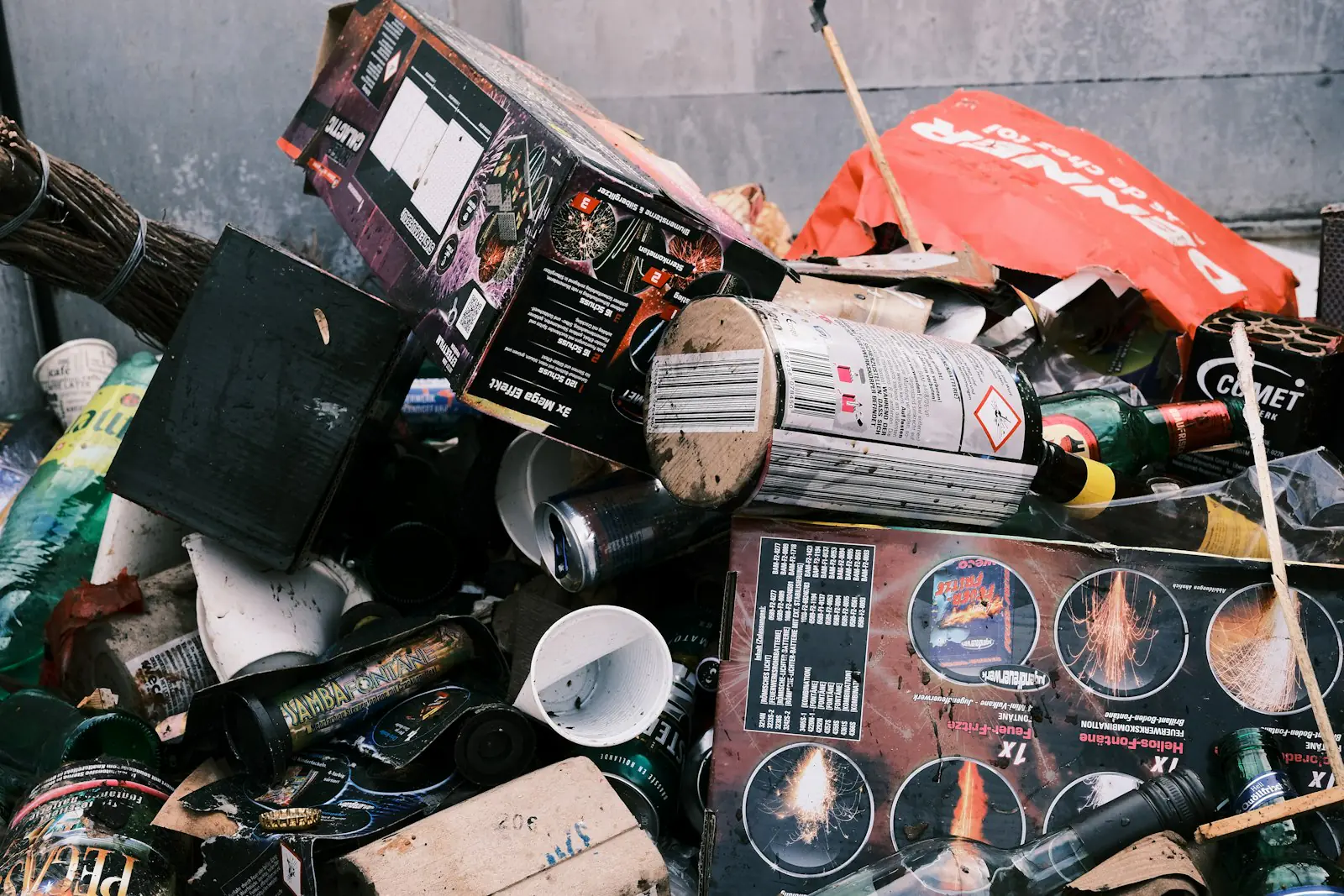
In the Chicago west suburbs, spring also marks the start of the busy home-improvement season. Professional services book up quickly, so scheduling your cost of junk removal Naperville IL early ensures prompt service and better availability.
Assess Your Spaces Before You Start
Before picking up a single item, walk through your home and honestly catalog what needs to go. This assessment prevents overwhelm and helps you prioritize high-impact areas.
Walk Through and Inventory
Spend an afternoon in each room, noting:
- Large bulky items (old couches, beds, dressers)
- Appliances no longer in use (broken refrigerators, washers, water heaters)
- Seasonal items stored permanently (holiday decorations you no longer celebrate, sports equipment no one uses)
- Damaged or worn furniture beyond repair
- Electronics and tech items ready for recycling
- Collections or hobby items that have lost relevance
Mark each room on a simple checklist. This gives you a realistic sense of scope and volume before committing to a removal date.
Identify Priority Areas
Not all spaces are equal. Some yield the fastest wins:
- Garages: Often the biggest offender. Tools, sports gear, and abandoned projects pile up. A thorough garage cleanout opens up valuable square footage.
- Basements: Seasonal storage and water-damaged boxes accumulate. Basement cleanout reveals usable space and prevents moisture and pest issues.
- Attics: Spring is ideal for attic assessment after winter. Insulation gaps, stored junk, and forgotten items surface during mild weather.
- Bedrooms and living areas: Old furniture removal and worn decor refresh the main living spaces first.
Tackle high-traffic, high-visibility areas early to create momentum and motivation.
Declutter Room by Room: A Practical Playbook
A methodical, zone-based approach keeps the project manageable. Don’t tackle the entire home at once—focus on one room for 2–4 hours, then pause.
The Four-Box Method
For each room, set up four sorting stations:
- Keep: Items you actively use or genuinely love. Be honest—if you haven’t touched it in two years, it belongs elsewhere.
- Donate: Gently used items in good condition. Furniture, clothing, books, and small appliances. Many local charities and thrift shops accept donations.
- Sell: Valuable items worth the effort of online listing (furniture, electronics, tools). Set a deadline to list and sell; anything unsold by that date moves to donation or removal.
- Junk/Recycling: Broken, damaged, or no-longer-usable items. Separate recyclables (electronics, metals, wood) from true trash.
Room-Specific Tips
Kitchen and dining: Expired food, broken appliances, duplicate gadgets, and damaged dishware. Keep only tools and dishes you actually use.
Bedrooms: Old pillows, extra blankets, worn-out mattresses, and furniture no longer fitting your layout. A fresh bedroom feels bigger and more restful.
Closets: Clothes you won’t wear again. Try the hanger trick: turn hangers backward, then move hangers forward as you wear items. After 3 months, donate everything still backward.
Living rooms: Outdated entertainment systems, extra seating, old books, and decorative items with no emotional anchor. Less visual clutter improves the room’s perceived size and calm.
Setting a Pace
Aim for one room every 1–2 days. Rushing leads to poor decisions; spacing it out builds sustainable momentum. Involve family members—kids can sort age-appropriate items, partners can help with heavy lifting decisions.
Understand What Cannot Be Removed
Not all junk is treated equally. Some items require special handling, permits, or alternate disposal methods. Know the rules before calling for pickup.
Hazardous Materials and Restricted Items
Most junk-removal services do not haul:
- Paint, solvents, and chemicals: Require hazmat disposal. Check Illinois EPA for approved local drop-off facilities.
- Batteries and electronics: Lead, mercury, and copper require recycling, not landfills. Some retailers (Best Buy, Staples) offer free e-waste recycling.
- Refrigerants and air conditioners: CFCs must be recovered by certified technicians. Older AC units and refrigerators fall into this category.
- Asbestos or lead paint: Pre-1980s homes may contain these. Professional abatement is required by law.
- Tires: Most states prohibit tire landfill disposal. Local tire shops or waste facilities handle them separately.
- Propane tanks and gas cylinders: Recycling centers and hardware stores accept these.
- Medical waste or sharps: Hospitals and pharmacies handle proper disposal.
Check Before You Schedule
When requesting a removal quote, list any hazardous or questionable items. Professional services know local DuPage County and village regulations. Attempting to sneak restricted items into a junk truck can result in fines or service refusal.
Planning and Scheduling Your Removal Day
Timing is everything. Plan your removal around weather, neighborhood logistics, and your team’s availability.
Choose Your Removal Window
Mid-spring (late March to early May) offers the best conditions: mild temperatures, lower rain risk, and before summer vacation season strains schedules. Early May is ideal—warm enough for comfortable outdoor work, but before the busiest removal season.
Avoid major holidays and weekends if you want faster scheduling. Weekday morning or early-afternoon removals often book faster and cost less.
Coordinate with Neighbors
If you live in a tightly packed neighborhood, give neighbors a heads-up. A removal truck occupies street space and generates activity. A courteous advance notice (24 hours minimum) prevents tension and shows respect for shared spaces.
Plan for Weather Contingencies
Spring weather in Naperville is unpredictable. Have a flexible backup date in mind. Light rain doesn’t usually delay removal, but heavy downpours or flooding can. Confirm with the service the day before if a storm is forecast.
Prep Your Access
Ensure the removal crew can safely reach all areas:
- Clear driveway and curb space in front of your home.
- Remove obstacles from garage or basement doorways.
- Trim low branches over walkways.
- If items are in an attic or upper floor, note this in your initial call.
Prepare Your Home for Professional Pickup
Professional junk removal is faster and safer when you’re organized. A few hours of prep saves the crew time and ensures nothing is missed.
Group Items by Location
Consolidate all junk for each area (garage, basement, attic) into a central staging zone if possible. This reduces the crew’s time searching and increases efficiency.
Clear Walkways and Protect Your Home
Move unrelated items out of the removal path. Protect floors and doorways with cardboard or plywood if items are dragging across hardwood or carpet. This small step prevents damage and shows professionals you respect their work.
Document Donor Items
If any items are heading to charity, keep a written or photo list. You may claim tax deductions on junk removal donations. Take photos of donations before pickup; this documentation supports your tax claim if audited.
Provide Access and Parking Information
If you have a long driveway, narrow garage, or street-side parking, give the crew clear directions. Let them know about gate codes, locked doors, or any access challenges before they arrive.
Safe Loading and Handling Practices
Whether you’re helping load or watching the crew work, safety matters. Junk removal involves heavy, awkward items and repetitive lifting—injuries are common if technique is poor.
Proper Lifting and Ergonomics
Follow OSHA safe-lifting guidelines:
- Bend at the knees, not the back. Keep the load close to your body.
- Ask for help with anything over 50 pounds. Sofas, refrigerators, and large dressers need two people minimum.
- Don’t twist the spine while holding weight. Pivot your feet instead.
- Set items down gently; don’t drop them. Sudden impact risks injury and property damage.
- Wear closed-toe shoes, gloves, and avoid loose clothing that can catch on edges.
Protecting the Home
Use furniture sliders or cardboard under heavy items to prevent floor damage. If navigating stairs, secure items so they won’t tumble. For large appliances, drain water and disconnect utilities safely before moving.
Managing Debris and Dust
Old furniture and stored junk generate dust, mold spores, and debris. Wear a dust mask if you’re in basements or attics for extended periods. Open windows to ventilate, especially after disturbing stored items.
Maximize Tax Deductions on Charitable Donations
Spring cleanouts often yield items suitable for charity. Understanding the rules maximizes your tax benefit.
What Qualifies as Deductible
Only donations to qualified charitable organizations are tax-deductible. Goodwill, Salvation Army, Habitat for Humanity, and local food banks all qualify. Check the IRS website or the charity directly to confirm their 501(c)(3) status.
Items must be in good condition. Donated clothing should be clean and wearable. Furniture must be structurally sound. Broken items generally don’t qualify unless the charity explicitly accepts them for parts.
Documentation is Crucial
The IRS requires proof of donation:
- Get a receipt from the charity listing items and donation date.
- Take photos of significant donations (furniture, electronics) before pickup.
- Keep written descriptions and estimated fair-market values in a spreadsheet or log.
- For donations over $500, file Form 8283 with your tax return.
Fair-market value is what an item would sell for in used condition, not what you originally paid. A couch you bought for $2,000 five years ago might have a fair-market value of $300–500 now.
Professional Appraisals for High-Value Items
If you’re donating expensive antiques, artwork, or collections, consider a professional appraisal. The cost ($100–300) is deductible and provides IRS-acceptable documentation for high-value claims.
Environmental and Local Disposal Responsibilities
Junk removal isn’t just about clearing your space—it’s about responsible disposal. DuPage County and the Village of Lisle have specific waste-management rules that professional services must follow.
Local Regulations and Compliance
According to DuPage County waste management guidelines, most residential junk must go to licensed facilities. Dumping on private property, in alleys, or at unauthorized sites is illegal and can result in fines.
Professional junk-removal services are familiar with local compliance. They know which items can go to landfills, which must be recycled, and where hazardous materials belong.
Recycling and Sustainability
The EPA recycling program encourages diversion of waste from landfills. Many junk items are recyclable:
- Metals: Aluminum, steel, and copper from appliances and fixtures.
- Wood: Furniture and dimensional lumber (if not treated or painted).
- Plastics: Containers, bins, and some furniture.
- Glass: Mirrors, windows, and containers.
- Electronics: TVs, computers, and phones contain valuable materials and hazardous substances.
Responsible removal services separate recyclables, reducing landfill burden and supporting circular economy principles.
Supporting Your Community
Choosing a local, veteran-owned service like those available across the Chicago west suburbs means your removal dollars stay in the community. These businesses often partner with local charities and recycling facilities, amplifying the positive impact of your cleanout.
Common Spring Removal Items and Best Practices
Spring cleanouts follow predictable patterns. Understanding best practices for common items speeds the process and improves outcomes.
Furniture and Large Items
Sofas, beds, dressers, and tables are frequent spring removals. Before disposal, consider:
- Donation to Habitat for Humanity ReStore, which refurbishes furniture.
- Free listing on Facebook Marketplace or Craigslist for items in good condition.
- Curbside pickup services for giveaway items (check local rules).
- Professional furniture removal for items too damaged to donate.
Appliances and Large Electronics
Old refrigerators, washing machines, ovens, and water heaters are heavy and require safe handling. Many appliance retailers (Best Buy, Home Depot) offer haul-away when you buy new units. If not, professional appliance removal ensures proper disposal and refrigerant recovery.
Seasonal Items and Storage Overflow
Winter storage often means out-of-season holiday decorations, extra blankets, and sports equipment pile up. Spring is the time to:
- Sort holiday items—keep only what you actually use each year.
- Evaluate sports gear. If your kids have outgrown equipment or your family no longer uses items, donate or remove them.
- Check storage containers for expiration dates and mold. Old camping gear, fishing equipment, and outdoor toys deteriorate in damp basements and garages.
Broken or Damaged Items
Spring reveals items damaged by winter: broken outdoor furniture, rusted tools, water-damaged boxes. If repair isn’t worth the cost, removal is the practical choice. Don’t let broken items consume valuable space.
Post-Removal Checklist and Follow-Up
After the crew leaves, a few final steps ensure the job is truly done and documented.
Inspect and Confirm Completion
Walk through all areas and confirm all targeted items are gone. Check corners, closets, and storage spaces where items may have been overlooked. Ask the crew to return if anything was missed.
Document the Removal
Take photos of cleaned-out spaces. This serves two purposes:
- Visual proof for your own records—satisfying documentation of your decluttering progress.
- Supporting photos for charitable donations (if applicable).
Collect Receipts and Paperwork
Request an itemized receipt listing what was removed. Professional services provide this. File it with your donation records for tax purposes or home-improvement documentation.
Plan Follow-Up Organization
Empty spaces tempt re-cluttering. Before filling cleaned areas, establish a system:
- Install shelving or bins to organize what remains.
- Set rules: one item in = one similar item out.
- Schedule quarterly reviews to prevent accumulation.
Schedule same-day junk removal service in Naperville if unexpected items emerge
Spring projects often reveal more junk. If you uncover additional items during renovation or deeper cleaning, having a reliable removal contact ensures quick pickup without derailing your momentum.
Frequently Asked Questions
How Much Does Spring Junk Removal Cost in Naperville?
Pricing depends on volume, item type, and accessibility. Check our detailed cost of junk removal Naperville IL guide for 2026 rates and factors. Most residential spring cleanouts range from $300–$1,200. Heavy items (appliances, furniture) increase the cost; lighter items (boxes, clothing donations) decrease it. Request a free estimate from local providers to compare pricing.
Can I Get a Tax Deduction for Donating Items During My Spring Cleanout?
Yes, if you donate to a qualified 501(c)(3) charity. Items must be in good condition. Keep receipts, take photos, and document fair-market values. For donations over $500, file IRS Form 8283. Learn more about deduction rules in our guide on tax deductions on junk removal in Illinois.
What Items Are Not Accepted by Junk-Removal Services?
Hazardous materials (paint, batteries, refrigerants), medical waste, and illegal substances are typically refused. Many services also decline tires, propane tanks, and asbestos-containing materials. Always disclose questionable items when requesting a quote. Your removal service can recommend proper disposal for restricted items.
When Is the Best Time to Schedule Spring Junk Removal in Naperville?
Late March through early May offers ideal conditions: mild weather, before summer rush, and good availability. Weekday mornings often book faster. If a summer home project is planned, schedule removal 1–2 weeks before to allow finishing touches. Avoid major holiday weekends when availability narrows.
How Long Does a Typical Residential Spring Cleanout Take?
Removal time depends on volume and accessibility. A single-room cleanout typically takes 1–2 hours. A whole-house decluttering (garage, basement, attic, and main rooms) usually requires 3–5 hours. The preparation you do beforehand (grouping items, clearing pathways) significantly reduces crew time and your cost.
Can I Combine Spring Cleanout with Other Services like Attic or Garage Cleanout?
Absolutely. Many homeowners combine spring cleanouts with focused projects. An attic cleanout guide, garage cleanout, or basement cleanout can be scheduled in a single removal visit, improving efficiency and often reducing per-area cost.
What Should I Do if I Discover Hazardous Items During My Spring Cleanout?
Stop and isolate the items safely. Don’t attempt removal yourself. Contact your local waste-management facility or the Illinois EPA for guidance on items like old paint, chemicals, or electronics. Professional removal services can often handle common hazmat items, but you must disclose them upfront.
Ready to Start Your Spring Cleanout in Naperville IL
Spring is the ideal time to refresh your home and reclaim lost space. With a clear plan, realistic timeline, and professional support, your spring junk removal can be smooth, affordable, and rewarding.
Whether you’re tackling a single room or a whole-house decluttering, the key is starting early and staying organized. Assess your spaces, sort methodically, prepare your home, and schedule your removal during the sweet spot of mid-spring.
Waste Warriors offers same-day removal across the Chicago west suburbs, including Naperville, with experienced crews who understand local regulations and handle everything from furniture to construction debris removal. Contact us today for a free quote and schedule your spring cleanout with confidence.
Your fresh, clutter-free home is just a phone call away. Make this the spring you finally clear the junk and reclaim your space.