
Index
- Why Professional Attic Cleanout Matters in Naperville
- How to Assess Your Attic Before Starting
- Pre-Cleanout Preparation Checklist
- Sorting, Donating, and Categorizing Items
- Safety Hazards to Watch For During Attic Cleanouts
- DIY vs. Professional Attic Cleanout: What’s Right for You
- Disposal and Recycling Options in Naperville
- What Affects Your Attic Cleanout Cost
- Timeline and Scheduling Expectations
- After the Cleanout: Maintaining Your Attic Space
- Local Resources and Regulations
- Frequently Asked Questions
- Ready to Reclaim Your Attic Space
Why Professional Attic Cleanout Matters in Naperville
Attics accumulate decades of memories, forgotten seasonal items, and clutter that no longer serves your home. In Naperville, where many colonial and ranch-style homes feature large attic spaces, an overloaded attic becomes a safety hazard, energy inefficiency, and potential fire risk.
A professional attic cleanout goes beyond simply hauling items downstairs. It’s a systematic removal of everything—from insulation-damaged materials to hazardous waste—with proper sorting, documentation, and disposal. Most homeowners lack the equipment, expertise, and physical capacity to do this safely.
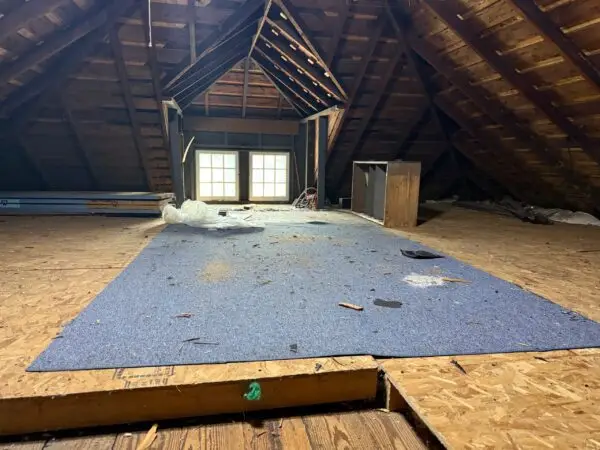
Whether you’re downsizing, preparing to sell, or reclaiming storage space for legitimate use, a thorough attic cleanout sets you up for success without the back strain or weekend frustration.
How to Assess Your Attic Before Starting
Before you call for professional help, take time to understand what you’re dealing with. This assessment shapes the scope, cost, and timeline of your project.
Do a Visual Walk-Through
Enter your attic with a flashlight and notebook. Note the overall square footage, headroom, and access points (pull-down ladder, roof hatch, or attic door). Walk the perimeter to gauge how much junk is present: light, moderate, or severe accumulation. Look for visible structural issues like water damage, mold, pest droppings, or sagging insulation—these affect your removal strategy and safety plan.
Identify Valuables and Keepsakes
Sort items mentally into categories: family heirlooms, holiday decorations, old documents, electronics, and general clutter. Flag items you want to donate, sell, or preserve before removal begins. This prevents accidental loss and saves time during the professional visit.
Check for Environmental Hazards
Older Naperville homes may contain asbestos-wrapped insulation, lead-based paint, or outdated electrical wiring. If you suspect hazardous materials, note them. Professional crews are trained to identify and handle these safely; you should never attempt removal yourself.
Pre-Cleanout Preparation Checklist
Proper preparation minimizes disruption and ensures the job runs smoothly.
- Clear the path: Remove obstacles from stairs, hallways, and access routes to your attic.
- Protect flooring: Cover stairs and main-floor areas where items will pass through.
- Communicate access points: If your attic door is difficult to locate or requires tools, let your crew know ahead of time.
- Set aside keepsakes: Move items you’re keeping to a secure location, labeled clearly.
- Confirm weather: Schedule on a dry day in Naperville to avoid muddy trucks and slippery conditions.
- Arrange parking: Reserve street parking or driveway space for the removal truck.
- Brief household members: Ensure everyone knows the cleanout is happening and to stay out of the work zone.
- Have a payment method ready: Check the accepted payment options (credit card, check, ACH).
Sorting, Donating, and Categorizing Items
The heart of any attic cleanout is deciding what stays and what goes. A structured approach prevents decision fatigue and maximizes the value recovered from donations.
Create Four Piles: Keep, Donate, Sell, and Dispose
Keep: Sentimental items, seasonal decorations you actually use, important documents, and heirlooms. Store these in labeled bins with clear inventory lists.
Donate: Furniture, clothing, books, toys, and functional household items in good condition. Naperville-area nonprofits like Goodwill, Salvation Army, and local charities accept tax-deductible donations. Professional removal crews can facilitate pickup directly to these organizations.
Sell: Vintage furniture, collectibles, or antiques that hold resale value. List these on Facebook Marketplace, Craigslist, or eBay before removal begins. Alternatively, contact a local estate sale company to handle auction logistics.
Dispose: Broken items, outdated electronics, water-damaged boxes, and anything unusable. These items are recycled responsibly or sent to landfills per DuPage County waste disposal guidelines.
Document Everything
For donation tax write-offs, photograph items and note their condition, category, and approximate value. Many removal companies provide an itemized list for your tax file. Keep photos and records for at least three years.
Safety Hazards to Watch For During Attic Cleanouts
Attics present unique occupational risks. Whether you’re considering DIY or hiring professionals, understanding these hazards is essential.
Structural and Fall Hazards
Attic joists are often only 2×6 lumber spaced 16–24 inches apart. Walking directly on these (rather than the flooring or attic boards) can collapse through the ceiling into the room below. Poor lighting and hidden obstacles increase fall risk. Professional crews use proper ladder safety, harnesses when necessary, and understand load-bearing pathways.
Air Quality and Respiratory Hazards
Accumulated dust, insulation fibers, mold spores, and pest droppings create a toxic-air environment. Prolonged exposure without respiratory protection causes acute respiratory symptoms and long-term lung damage. OSHA ergonomics guidance emphasizes proper respirator use (N95 masks are minimum; powered air-purifying respirators are preferred for heavy contamination).
Biological and Chemical Hazards
Rodent feces, bird droppings, and insect nests carry hantavirus, histoplasmosis, and parasites. Old paint, insulation, and sealants may contain lead or asbestos. Do not disturb these without professional assessment.
Ergonomic Strain
Lifting heavy boxes in a cramped, low-headroom space causes back strain, shoulder injury, and heat stress. Professional removers are trained in proper lifting mechanics and use equipment (dollies, hand trucks) to minimize injury risk.
DIY vs. Professional Attic Cleanout: What’s Right for You
Deciding between doing it yourself and hiring professionals depends on scope, hazards, timeline, and your physical capacity.
When DIY Makes Sense
- Attic is small (under 400 sq ft) and lightly cluttered.
- No visible hazards (mold, asbestos, pest damage, water intrusion).
- You have a team of 2–3 able-bodied helpers and a full weekend.
- You can arrange your own disposal (truck rental, landfill trips, or donation pickups).
- You’re physically capable of lifting 50+ lb boxes safely and comfortable working at heights.
When Professional Removal Is Worth the Investment
- Attic is large or severely cluttered (moderate to severe accumulation).
- Suspected hazardous materials (asbestos, lead, mold, pest infestation).
- Time constraints or no available helpers.
- Health conditions or age that limit physical capacity.
- Desire to maximize donations and tax deductions through structured documentation.
- Concern about improper disposal or environmental compliance.
Most Naperville homeowners find that professional attic cleanout—typically completed in a single day—saves stress, protects their health, and recovers hidden value through donations.
Disposal and Recycling Options in Naperville
Naperville and DuPage County offer multiple responsible disposal pathways. Illinois EPA guidelines encourage source reduction and recycling before landfill disposal.
Donations and Tax Deductions
Goodwill, Salvation Army, and local charities accept furniture, clothing, books, and household goods. Pick-up services are often available. Itemized donations are tax-deductible at fair-market value; professional removal services typically provide documentation for your tax file.
Electronics and Hazardous Waste
Old computers, televisions, printers, and air conditioning units contain toxic materials and require certified e-waste recycling. The Village of Naperville and DuPage County host seasonal hazmat collection events. Some removal companies partner with certified recyclers to handle these items directly.
Furniture and Bulky Items
Durable furniture is donated; worn or damaged pieces are recycled or sent to landfill. Some Naperville residents arrange for residential bulk pickup through the waste contractor; professional removal crews handle this logistics directly.
Construction and Renovation Debris
If your attic cleanout coincides with roof, insulation, or structural repair, debris is sorted for wood, metal, and other recyclables. EPA recycling resources outline best practices for construction-material diversion from landfills.
What Affects Your Attic Cleanout Cost
Attic cleanout pricing is driven by several variables. Our junk removal pricing guide provides detailed breakdown of regional costs, but here are key attic-specific factors:
Accumulation Volume and Weight
Light attics (a few boxes, seasonal décor) cost less than heavily cluttered spaces requiring multiple truck loads. Dense, heavy items (old furniture, books) cost more per load than lightweight items (clothing, plastic totes).
Hazard Assessment and Handling
Suspected asbestos, mold, or biohazard materials add cost for specialized assessment and containment. Professional-grade personal protective equipment (respirators, suits, disposal bags) is built into pricing.
Sorting, Donation Coordination, and Documentation
If you want items sorted, photographed, and delivered to charities with tax documentation, expect a premium. Basic haul-away is cheaper; white-glove sorting costs more but maximizes tax deductions and diverts waste from landfills.
Access and Logistics
Difficult access (narrow stairs, second-floor attic, limited parking) increases labor time and cost. Naperville’s older homes sometimes require careful maneuvering to avoid damage; this is priced into the estimate.
Disposal and Tipping Fees
Items bound for landfill incur tipping fees at the disposal facility. Recycling and donation items often have lower or zero tipping-fee impact. Your crew will break down the landfill vs. donation split during the job.
Timeline and Scheduling Expectations
Professional attic cleanout in Naperville typically follows this timeline:
Booking and Estimate (1–2 days)
Call or book online for a free estimate. A crew member visits your home, assesses the attic, and provides a detailed quote. Most estimates are valid for 30 days.
Scheduling (flexible)
Choose your preferred date and time. We offer same-day junk removal in Naperville in many cases, or schedule weeks in advance. Confirm weather and any access issues at booking.
Removal Day (2–6 hours)
A crew of 2–4 professionals arrives with equipment and a truck. Light attics clear in 2–3 hours; moderate accumulation takes 4–6 hours. Heavier jobs may require a second visit. Crew protects your home during removal with floor coverings and careful handling.
Sorting and Handoff (same day)
Items are sorted into removal, donation, and recycling piles on-site. Donations are either loaded for transport or arranged for charity pickup. You receive a summary of what was removed and where items are going.
Post-Job Documentation (1–3 days)
Itemized donation lists and photos are emailed for your tax records. Any follow-up questions are answered promptly.
After the Cleanout: Maintaining Your Attic Space
A cleaned attic requires maintenance to prevent re-accumulation and protect your home’s structure and energy efficiency.
Insulation and Ventilation Check
Once items are removed, inspect your insulation for damage, settling, or mold. DuPage County’s building codes recommend R-38 to R-60 attic insulation depending on climate zone. If insulation is thin, wet, or moldy, schedule an HVAC contractor for evaluation and replacement.
Seal Air Leaks and Ventilation Openings
Attic bypass leaks (where conditioned air escapes into the attic) waste energy and degrade insulation. Once the space is empty, hiring an energy auditor to identify and seal leaks is cost-effective and improves home comfort.
Install Shelving and Storage Solutions
If you plan to use the attic for legitimate storage, install sturdy shelving, bins, and labels. Raised storage keeps items off floor joists and improves air circulation. Avoid overstuffing again; limit storage to items you access at least once per year.
Pest Prevention
Clean-out crews remove pest nests and droppings. Install gutter guards, seal penetrations where utilities enter the attic, and trim tree branches away from the roof to prevent rodent and insect re-entry. Check periodically for new droppings or nesting signs.
Annual Inspection Routine
Schedule a brief attic walkthrough each fall to catch water intrusion, insulation settling, or new clutter before it becomes a problem.
Local Resources and Regulations
Naperville and DuPage County have specific regulations governing waste disposal, hazmat handling, and donation tax deductions. Understanding these helps ensure compliant, responsible cleanout.
Village of Naperville Waste Management
The Village coordinates residential bulk pickup and hazmat collection. Contact your waste hauler about attic-debris schedules and large-item pickup. Most Naperville homes are serviced by Republic Services or Waste Management; confirm your hauler’s policies before the cleanout.
DuPage County Hazardous Waste Events
DuPage County hosts quarterly hazmat collection events for paint, chemicals, fluorescent bulbs, and batteries. Items from attic cleanouts (old pesticides, insulation sealants, caulk) may qualify. Check the county website for 2026 event dates.
Donation and Tax Deduction Guidelines
The IRS allows itemized deductions for charitable donations at fair-market value. Keep receipts or donation statements from Goodwill, Salvation Army, or other qualified charities. The Salvation Army and Goodwill provide donation valuation guides online. Professional removal companies often provide photo documentation of donated items to support your deduction claim.
Recycling and E-Waste Drop-Off
Naperville is a “green community” with robust recycling infrastructure. Electronics recyclers in the area accept old computers, printers, and televisions. Check DuPage County’s website for certified e-waste facilities that offer free or low-cost drop-off.
Frequently Asked Questions
How much does a typical attic cleanout cost in Naperville?
Cost ranges from $800 for a small, lightly cluttered attic to $3,500+ for a large, heavily accumulated space. Most moderate attics (500–800 sq ft, moderate clutter) run $1,500–$2,500 all-in. The junk removal pricing guide breaks down regional costs and factors. Get a free estimate for your specific space to know the exact price.
What if I find something valuable in my attic during cleanout?
Professional crews pause and let you inspect items before removal. If you suspect antique value, request a delay so you can photograph, research, or consult an appraiser. Some removal companies can facilitate estate-sale coordination or referrals to auction houses for high-value finds.
Can I donate items directly, or does the removal crew handle it?
Both are possible. You can pre-sort donations and arrange your own pickups from charities. Alternatively, professional removal companies coordinate charity donations, load items onto trucks, and provide itemized documentation—taking the logistics off your shoulders and often yielding higher tax deductions through structured documentation.
What happens to items I don’t want but don’t want wasted?
Professional crews prioritize donation to charities (Goodwill, Salvation Army, Habitat for Humanity) over landfill disposal. Items in good condition are sorted for donation; damaged or unusable items are recycled where possible or disposed of responsibly per EPA recycling resources. You’ll see a breakdown of where items are going in your post-job summary.
Is mold in the attic something I should worry about?
Yes. Mold indicates moisture intrusion and poses respiratory health risks. If you see visible mold, discoloration, or smell mustiness, notify your removal crew immediately. They can assess severity and refer you to a mold-remediation specialist if needed. Do not attempt cleanup yourself; professional mold remediation requires certified contractors and containment protocols.
How do I know if my attic has asbestos?
Homes built before 1980 may contain asbestos in insulation, pipe wrap, and sealants. Look for “popcorn” or gray-white blown insulation around HVAC ducts, or chalky wrap on pipes. Do not disturb suspected asbestos; professional removal crews are trained to identify, contain, and safely dispose of it. Request a hazmat assessment before the job if you suspect asbestos.
Can you do the attic cleanout the same day I call?
In many cases, yes. Naperville and nearby suburbs (Wheaton, Downers Grove) often have availability for same-day or next-day jobs. Call to check current availability, or book online. Confirm weather, access, and parking before scheduling.
Ready to Reclaim Your Attic Space
An overcrowded attic drains your home’s energy efficiency, poses safety risks, and wastes valuable square footage. Whether you’re preparing to sell your Naperville home, downsizing, or simply reclaiming peace of mind, professional attic cleanout is an investment that pays for itself through reclaimed space, tax-deductible donations, and the stress relief of a single, expert removal.
Our veteran-led removal team understands the nuances of Naperville’s homes and the emotional weight of letting go of accumulated belongings. We handle the heavy lifting—literally and logistically—so you can focus on what matters.
Ready to start? Call us at (630) 286-3776 for a free, no-obligation estimate. Or explore our related services: attic cleanout in Wheaton, attic cleanout in Downers Grove, or estate cleanout service throughout the Chicago suburbs. We serve Naperville, Lisle, Aurora, Bolingbrook, and surrounding DuPage County communities with same-day and next-day availability.
Still have questions? Check out our blog for guides on basement cleanout, construction debris removal, and eco-friendly disposal. We’re here to help you make the most of your home and community.