
Quick Index
- Why Professional Attic Cleanout Matters
- What Makes Attic Removal Unique
- Safety and Health Concerns in Attic Spaces
- Step-by-Step Attic Cleanout Process
- Decluttering and Sorting Strategy
- Proper Disposal and Recycling Options
- Cost Factors and Pricing
- Environmental and Regulatory Compliance
- Timeline and Scheduling Your Cleanout
- Common Attic Items and How to Handle Them
- DIY vs. Professional Removal: A Realistic Comparison
- Preventing Future Clutter in Your Attic
- Frequently Asked Questions
- Local Notes: Wheaton IL Resources
- Ready to Get Started?
Why Professional Attic Cleanout Matters
Attic cleanout is one of those home tasks that homeowners often delay indefinitely. Unlike a garage or basement, the attic is out of sight—and for many Wheaton, IL homeowners, it remains out of mind until a renovation, sale, or insurance inspection forces the issue. When you finally decide to tackle it, you’ll discover why professional attic cleanout services exist: the job combines physical difficulty, health risks, and logistical complexity that most homeowners underestimate.
A cluttered attic doesn’t just take up space. It can hide structural problems, harbor pests, reduce energy efficiency, and create liability issues if a visitor or inspector finds unsafe conditions. Professional removal saves time, protects your health, and ensures proper disposal of items that might otherwise end up in a landfill when they could be donated or recycled.
What Makes Attic Removal Unique
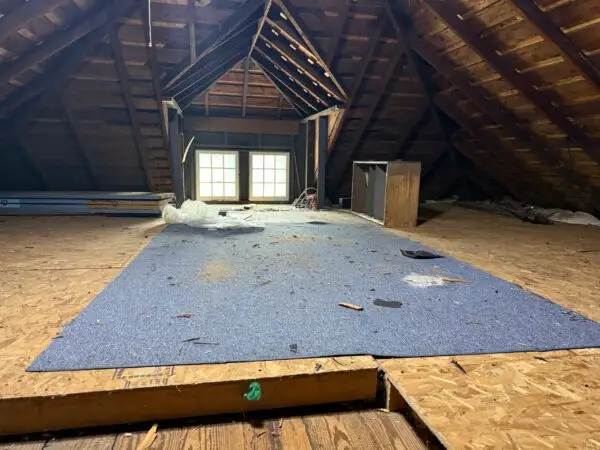
Attic cleanout differs significantly from basement cleanout or garage cleanout services because of the space’s architecture and access constraints. Here’s what sets it apart:
- Limited access: Most attic entry points are small (2–3 feet square), requiring careful maneuvering of furniture and boxes. Large items must be partially disassembled or rotated to fit through openings.
- Poor ventilation: Attics are notoriously hot in summer and cold in winter. Dust, insulation particles, and mold spores concentrate in stagnant air, making longer jobs physically demanding.
- Structural hazards: Exposed rafters, nails, and low clearance create trip-and-fall risks. Attic joists are often not designed to support the weight of multiple workers and tools.
- Hidden pest and rodent activity: Attics are common entry points for squirrels, bats, raccoons, and mice. Droppings and nesting material pose disease risks (hantavirus, histoplasmosis, rabies exposure).
- Insulation and asbestos concerns: Older attics may contain asbestos-laden insulation, which requires specialized handling and disposal.
Safety and Health Concerns in Attic Spaces
The attic is one of the most hazardous rooms in a home to work in alone. Before attempting any DIY cleanout, understand the real risks:
Respiratory Hazards
Attics accumulate dust, insulation fibers (fiberglass, mineral wool), and animal droppings over decades. Breathing in these particles can trigger asthma, allergies, and respiratory infections. Mold spores are invisible but potent allergens. Without proper respiratory protection (N95 or P100 masks), you’re exposing your lungs to contaminants.
Fall and Structural Injury
Attic joists—the horizontal beams under the roof—are typically 16 inches apart and designed to hold insulation, not human weight. Step between joists and your foot goes through the ceiling below. Professional crews understand weight distribution and safe movement patterns; homeowners rarely do. According to OSHA ergonomics guidelines, improper lifting and awkward postures in confined spaces are leading causes of sprains and strains.
Pest and Disease Exposure
Raccoon, bat, and mouse droppings contain pathogens. Touching contaminated surfaces without gloves, or inhaling dust from dried droppings, can transmit hantavirus and histoplasmosis. Professional teams wear full PPE (gloves, respirators, and protective clothing) as standard protocol.
Heat and Dehydration
In summer, attic temperatures can exceed 120°F. Extended exposure causes heat exhaustion and dehydration, especially during strenuous work. This is why professionals schedule attic jobs in early morning or late afternoon and rotate crew members to manage fatigue.
Step-by-Step Attic Cleanout Process
Professional attic cleanout follows a systematic workflow designed to minimize waste, maximize recovery (donations, recycling), and protect your home and health.
1. Initial Inspection and Assessment
A professional crew begins by entering the attic fully equipped and conducting a thorough walkthrough. They document the volume of items, identify hazards (structural damage, pest activity, roof leaks), and note any items of value or sentimental importance you want to save. This inspection informs the removal strategy and gives you an accurate timeline and cost estimate.
2. Protective Setup and Hazard Mitigation
Before any items are moved, the team sets up protective barriers, establishes safe pathways across joists, and deploys ventilation fans or portable HEPA filtration if air quality is compromised. All crew members wear gloves, respirators, and protective clothing. This step takes 15–30 minutes but prevents injury and contamination.
3. Sorting and Categorization
Items are sorted into categories: keep/donate, recycle, hazardous waste, and junk. The crew works systematically through the attic, bagging or boxing items as they go. This prevents a chaotic pile-up and allows real-time decision-making about what has value or can be reused.
4. Removal and Loading
Smaller items are boxed and carried out; larger furniture is disassembled if necessary. A professional crew organizes the loading sequence so heavier items go in first, balanced for safe transport. This is where the skill difference between homeowners and professionals becomes obvious—improper loading leads to truck instability and back injuries.
5. Cleanup and Final Walkthrough
Once the large items are out, the crew sweeps, vacuums, and cleans the attic floor. They inspect for any remaining small items, verify all areas are clear, and check that insulation and structural elements are intact. A final walkthrough with you ensures nothing was missed.
Decluttering and Sorting Strategy
An effective attic cleanout isn’t just about hauling everything out—it’s about making thoughtful decisions about what stays, what gets donated, and what gets recycled. Here’s a proven framework:
The Four-Box Method
- Keep: Items you actively use or have clear sentimental value. Seasonal decorations, holiday lights, and rarely-used tools often fall here. Be honest—if you haven’t used it in three years, you probably won’t.
- Donate: Usable items in good condition (furniture, books, clothing, electronics) that benefit local charities. Donation also provides a tax deduction and keeps items out of landfills.
- Recycle: Paper, cardboard, metal, glass, and e-waste. Many items that seem like junk (old electronics, copper wiring, aluminum frames) have real salvage value and environmental benefit when recycled properly.
- Discard: Truly unusable items—broken furniture, damaged boxes, contaminated materials. These go to the landfill, but professional crews minimize this category through aggressive donation and recycling.
Decision Rules for Common Items
Before storing anything back in the attic after a cleanout, ask: “Would I replace this if it were damaged?” If the answer is no, donate or discard it. This prevents the clutter from returning.
Proper Disposal and Recycling Options
Responsible disposal is a cornerstone of professional junk removal. In the Wheaton area, you have several options, and a professional crew knows how to route each category of waste:
Donation Partners
Furniture, clothing, books, and household goods can go to:
- Goodwill and Salvation Army (pickup available for larger donations)
- Local charities and churches
- Buy Nothing groups and Facebook Marketplace (for items with significant value)
- Habitat for Humanity ReStore (furniture, building materials, and home goods)
Recycling Facilities
Metal, cardboard, paper, and e-waste should be sorted and taken to DuPage County waste & recycling services or local drop-off centers. Many materials have real market value and should never end up in a landfill. Consult EPA recycling resources for guidance on specific items.
Hazardous Materials
Paint, solvents, fluorescent bulbs, batteries, and propane cylinders are hazardous and require special disposal. DuPage County hosts periodic hazardous-waste collection events. A professional removal crew knows these requirements and ensures compliance.
Junk Haul-Away
Items with no salvage value (broken furniture, worn mattresses, contaminated materials) are loaded into trucks and taken directly to licensed disposal facilities. Professional services handle all the heavy lifting and logistics; you don’t have to make multiple trips or negotiate with recyclers.
Cost Factors and Pricing
Attic cleanout pricing depends on several variables. Understanding these helps you budget and compare quotes:
Volume and Weight
The primary cost driver is the total volume of items and how much truck space they occupy. A small attic with a few boxes might cost $300–500; a fully loaded attic can run $1,500–3,500+ depending on the size of your home and how long items have accumulated.
Accessibility and Hazards
Attics with small access points, low headroom, or structural concerns take longer to work in safely. Homes with pest infestations or contaminated insulation may require extra PPE and disposal protocols, adding to the cost.
Labor Hours
A crew of two or three can typically complete a standard residential attic in 3–5 hours. Larger or more complex jobs require additional labor. Professional crews charge hourly rates ($100–$200/hour per worker) or flat-fee estimates based on volume and scope.
Donation vs. Landfill Routing
Diverting items to donation and recycling often costs slightly more (because it requires multiple drop-off trips) but provides environmental benefit and tax deductions. Some companies include this in their pricing; others charge a small premium.
Seasonal Pricing
Summer and early fall are peak seasons for estate cleanouts and home renovations. Booking a spring or winter attic cleanout may yield better rates.
Environmental and Regulatory Compliance
Attic cleanout isn’t just about convenience—it’s also a regulatory and environmental responsibility. Here’s what matters:
Proper e-Waste Handling
Old computers, monitors, TVs, and appliances contain hazardous materials (lead, mercury, cadmium) and cannot be thrown away as regular trash in Illinois. They must be taken to certified e-waste recyclers. Professional removal services know the nearest certified facilities and ensure your electronics are properly processed.
Asbestos and Historic Materials
Homes built before 1980 often contain asbestos in insulation, roofing, and pipe wrap. If you suspect asbestos, it should not be disturbed during attic work. Professional crews can identify suspicious materials and arrange for certified abatement if needed. Never assume it’s safe to handle or dispose of without testing.
Compliance with Local Waste Ordinances
The Village of Lisle and surrounding communities have specific ordinances governing bulk trash collection and landfill disposal. Licensed junk removal services automatically comply with these rules; DIY haul-offs to local transfer stations may not meet weight or size restrictions, resulting in refusal and wasted time.
Insurance and Liability
A professional crew carries liability insurance. If someone is injured during the removal, or if property damage occurs (a foot through the ceiling, items dropped during removal), you’re protected. DIY work carries personal injury and property-damage risk with no insurance backup.
Timeline and Scheduling Your Cleanout
Planning your attic cleanout ensures the job stays on track and fits your schedule.
Scheduling in Advance
Professional junk removal companies in the Wheaton area book 1–3 weeks in advance, especially during peak seasons. If you need same-day junk removal in Wheaton, call first thing Monday morning for a possible afternoon slot. Booking at least a week ahead gives you more flexibility and lower pricing.
Prep Work Before Arrival
Clear a pathway to the attic entry and remove any obstructions in hallways or stairwells. If you have items you want to donate or keep, box them separately and label them clearly so the crew doesn’t mistakenly haul away something you wanted to save. Plan for 1–2 hours of prep before the crew arrives.
Duration Expectations
A standard residential attic (1,000–1,500 sq. ft.) takes 2–4 hours with a two-person crew. Larger attics or those with significant structural or pest issues may require a full day. The crew will give you a time estimate during the initial walkthrough, and most jobs stay within that window.
After-Job Inspection
Once the removal is complete, walk through the attic with the crew to confirm everything is out and the space is clean. This typically takes 15–30 minutes. You’ll receive a receipt and documentation of what was removed and where it was disposed of or donated.
Common Attic Items and How to Handle Them
Different items require different handling approaches. Here’s what professional crews routinely encounter and how they process each:
Seasonal Decorations and Holiday Items
Christmas trees, wreaths, lights, and ornaments are typically worth keeping if they’re in good condition. Store them in clear plastic bins with labels so they’re easy to find next year. Damaged lights (especially old incandescent strings) should be recycled or discarded; they’re fire hazards and inefficient.
Furniture and Large Items
Upholstered furniture (couches, chairs, mattresses) is usually too contaminated or damaged to donate after years in an attic. Professional crews often discard these items. Wooden furniture in good condition can be donated if it’s not moldy or infested. Beds, dressers, and tables are frequently accepted by donation centers.
Boxes of Memorabilia and Photos
Old photo albums, documents, and sentimental items deserve care. Don’t let the crew haul these away without a review. If they’re damaged or moldy, consider digitizing important photos and documents before discarding the originals. This preserves memories while clearing physical clutter.
Tools and Hardware
Well-maintained hand tools and power tools can be donated or sold. Loose hardware (nails, screws, bolts) should be organized into containers and kept if you use them; otherwise, discard. Batteries (dead or unknown condition) must be recycled; never throw them away.
Old Electronics
Computers, printers, phones, and gaming consoles belong in e-waste recycling, not the landfill. If they’re in working condition, donation to schools or nonprofits is a good option. Professional crews route these items to certified e-waste handlers.
Building Materials and Insulation
Loose cardboard, damaged drywall, and insulation are discarded. If you’re planning a renovation and want to reuse materials, flag them before the crew arrives. Otherwise, they’re treated as junk and removed.
DIY vs. Professional Removal: A Realistic Comparison
Many homeowners wonder whether they should tackle attic cleanout themselves. Here’s an honest assessment:
DIY Pros and Cons
Pros:
- Save labor costs ($500–2,000)
- Complete the job on your schedule
- Full control over what gets donated, recycled, or discarded
Cons:
- Significant personal injury risk (falls, heat exhaustion, respiratory illness)
- Time commitment: a full attic can take 10–20 hours of work over several weekends
- Logistical headache: coordinating multiple trips to recycling centers, donation drop-offs, and landfills
- No insurance coverage if you’re injured or damage your home
- Improper disposal (items to landfill that should be recycled, hazardous materials mixed in regular trash)
- Renting a dumpster or making multiple landfill trips costs $300–$800, narrowing your cost savings
Professional Services Pros and Cons
Pros:
- Safe, efficient execution (trained crews, proper PPE, no injury risk to you)
- Complete in a single day or afternoon
- All sorting, donation, recycling, and disposal handled for you
- Insurance coverage and liability protection
- Proper handling of hazardous materials and e-waste
- Environmental and tax-deduction benefits from responsible disposal routing
Cons:
- Upfront cost: $500–3,500 depending on volume
- Less control over timing if you need same-day or emergency removal
- Requires clearing access to the attic before the crew arrives
Bottom line: For most homeowners, professional removal is worth the cost. The time saved, safety gains, and proper environmental disposal justify the investment. If your attic is modest (a few boxes) and you’re comfortable in tight spaces, DIY is feasible—but large or cluttered attics are best left to professionals.
Preventing Future Clutter in Your Attic
After your attic is cleaned out, keep it that way. Here’s how:
Establish a “One In, One Out” Rule
Before storing anything new in the attic, ask if it’s truly necessary. If you’re adding a seasonal decoration, remove an old one you no longer use. This prevents the accumulation from restarting.
Use Clear, Labeled Storage Containers
Invest in transparent plastic bins with labels. Knowing what’s inside and where it is makes retrieval easy and prevents duplicate storage. Avoid cardboard boxes, which break down and attract pests over time.
Create an Inventory System
Take photos of stored items or keep a simple spreadsheet listing what’s in each bin and its location in the attic. This saves time searching and helps you decide whether new items are worth storing.
Annual Review
Once a year, spend an hour in the attic reviewing what’s stored. Remove items you didn’t use during the past year. This prevents the clutter from silently rebuilding.
Link to Related Services
If you’re managing attic cleanout in Downers Grove or planning future home cleanouts, consider adopting the same container-and-label system for your estate cleanout or junk removal for growing families needs.
Frequently Asked Questions
How much does attic cleanout typically cost?
Costs range from $500 for a small, lightly-used attic to $3,500+ for a large, heavily-cluttered space. Most standard residential attics in the Wheaton area run $1,200–$2,000. The final price depends on volume, accessibility, and whether items are routed to donation/recycling or the landfill. Get a free estimate from a local crew for an accurate quote based on your attic’s specific condition.
Will the removal crew handle donation and recycling for me?
Yes. Professional crews sort items on-site and route them appropriately: donations to local charities, recyclables to certified facilities, and junk to licensed landfills. You don’t need to coordinate pickups or drop-offs. The service is all-inclusive, and you receive documentation of what was donated (useful for tax deductions).
Is it safe to do attic cleanout myself?
DIY attic work carries real risks: falls from joists, heat exhaustion, respiratory illness from dust and mold, and pest-disease exposure. If you decide to go DIY, wear an N95 or P100 respirator, use a sturdy ladder, and work during cooler hours. However, professional crews are trained in fall prevention, hazard identification, and safe PPE protocols—they complete the job faster and safer. Most homeowners benefit from hiring professionals, especially for large or contaminated attics.
How long does an attic cleanout take?
A standard residential attic takes 2–4 hours with a two-person crew. Larger attics or those with structural issues may require a full day. The crew will provide a time estimate during the initial inspection. Most jobs are completed in a single visit with no follow-up needed.
What if I want to keep certain items from the attic?
Simply set those items aside before the crew arrives and label them clearly as “keep.” The crew will not touch them. If you discover items you want to keep during the removal, tell the crew immediately—they’ll set them aside. Professional teams are accustomed to last-minute requests and handle them without issue.
Can you handle hazardous materials like asbestos or old paint?
Licensed junk removal services can identify suspicious materials and coordinate with certified abatement specialists if needed. Do not assume old materials are safe; have them tested or inspected before work begins. If asbestos is confirmed, professionals ensure it’s safely removed and disposed of according to EPA and state regulations, protecting your health and your home’s value.
What documentation do I receive after the cleanout?
You’ll receive a receipt itemizing what was removed and disposed of. If items were donated, you get a donation receipt (useful for tax deductions with itemized deductions). Some professional services also provide photos of the cleaned attic as a before/after record. Keep all documentation for your records and tax purposes.
Local Notes: Wheaton IL Resources
Wheaton and the surrounding DuPage County area have specific waste management and recycling guidelines:
- DuPage County Waste Resources: DuPage County government provides guidance on bulk trash collection, hazardous-waste events, and recycling facilities. Residents can schedule pickups for large items or find drop-off locations for e-waste and construction debris.
- Wheaton Municipal Services: The Village of Lisle (nearby Lisle, IL) provides similar resources for Wheaton and western DuPage. Check their website for bulk collection schedules and restricted items lists.
- Donation Partners: Goodwill and Salvation Army locations throughout Wheaton and Naperville accept household goods and furniture. Habitat for Humanity ReStore (nearby in Bolingbrook) specializes in building materials and home goods.
- Hazardous-Waste Collection: DuPage County hosts spring and fall hazardous-waste collection days for paint, batteries, solvents, and other toxic materials. These events are free for residents and prevent contamination of local waterways.
Professional junk removal services serving Wheaton (like our veteran-owned junk removal service) are familiar with all local regulations and ensure your attic cleanout complies with municipal ordinances and environmental standards.
Ready to Get Started?
An attic cleanout doesn’t have to be a burden. Whether you’re preparing for a home sale, managing inherited items, reclaiming storage space, or simply tired of the clutter, professional removal makes the process fast, safe, and stress-free.
Waste Warriors provides same-day and next-day attic cleanout service throughout Wheaton, IL and the surrounding Chicago suburbs. Our trained crews handle all sorting, donation coordination, recycling, and proper disposal—so you don’t have to. We arrive fully equipped with protective gear and organized removal systems, complete the job in one visit, and provide full documentation for your records.
Call us today for a free, no-obligation estimate. We’re available Monday–Friday and can often accommodate same-day or emergency removals. Whether your attic is small or massive, cluttered or just needs refreshing, we’ve handled thousands of Wheaton-area attic cleanouts and know exactly how to do it right.