
Index
- Why You Need a Professional Attic Cleanout
- Signs It’s Time for an Attic Cleanout
- What Can Be Removed from Your Attic
- Safety Considerations During Cleanout
- Sorting, Donation, and Recycling Options
- Cost Factors & Pricing
- Local Waste Disposal Guidelines for Downers Grove
- Timeline & Process for Your Attic Cleanout
- Before & After: What to Expect
- DIY vs. Hiring Professional Help
- Eco-Friendly Attic Cleanout Approach
- Frequently Asked Questions
- Ready to Schedule Your Attic Cleanout
Why You Need a Professional Attic Cleanout
Attics accumulate more than just storage—they collect decades of forgotten items, environmental hazards, and structural strain. Whether you’re preparing to sell your Downers Grove home, reclaiming usable space, or dealing with inherited belongings, a professional attic cleanout addresses all these challenges at once.
A crowded attic can hide pest infestations, mold growth, and damaged insulation that affect your home’s energy efficiency and resale value. Professional removal crews identify these issues while safely extracting everything from old boxes to bulky furniture. The result: a clean, safer, more valuable space.
Signs It’s Time for an Attic Cleanout
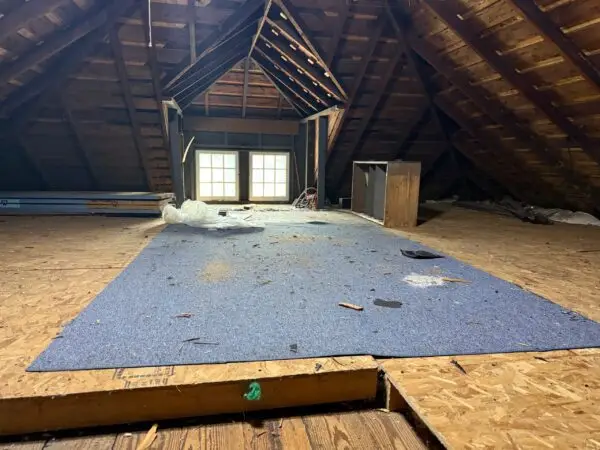
Many homeowners wait too long to address attic clutter. Recognizing these warning signs helps you act before the problem compounds:
- Visible clutter when you open the attic door — boxes stacked haphazardly, no clear pathways, items touching the roof decking.
- Strange odors or water stains — potential mold, moisture damage, or pest activity.
- Higher energy bills in summer or winter — insulation compromised by stored items blocking airflow.
- Rodent or insect droppings — a sign that pests are nesting among your belongings.
- You can’t remember what’s stored there — a red flag that most items are truly unused.
- Planning a home sale or major renovation — buyers and contractors expect clean, accessible attics.
- Inheritance or estate transition — deceased relatives’ items taking up permanent space.
If any of these apply to your Downers Grove home, scheduling a professional junk removal in Downers Grove can prevent structural and financial complications.
What Can Be Removed from Your Attic
Professional attic cleanout services remove nearly everything, but understanding what falls into each category helps you plan ahead.
Commonly Removed Items
- Cardboard boxes and storage containers (empty or filled with old documents, clothes, holiday decorations)
- Furniture (chairs, dressers, bed frames, broken shelving)
- Old electronics (outdated computers, printers, televisions, radios)
- Insulation and drywall debris (if renovation-related)
- Clothing and textiles (worn-out blankets, old uniforms, moth-eaten fabrics)
- Books, magazines, and paper archives
- Broken toys, games, and sports equipment
- Discarded building materials and lumber scraps
Items Requiring Special Handling
Some materials need careful removal due to legal or environmental rules:
- Hazardous materials — asbestos insulation (common in older Downers Grove homes built pre-1980), lead paint, mercury thermostats, old batteries.
- Refrigerants and A/C units — require certified technician handling per EPA rules.
- Fiberglass insulation — must be double-bagged and labeled for proper disposal.
- Prescription medications — taken to approved pharmaceutical disposal sites, not regular trash.
Professional crews know how to identify and segregate these items. When in doubt, let them assess before removal begins.
Safety Considerations During Cleanout
Attics present unique hazards that untrained homeowners often underestimate. Professional teams use proper protocols to protect both your home and your family.
Structural and Environmental Risks
- Weak joists and attic flooring — stepping on the wrong spot can puncture the drywall below or cause injury.
- Low headroom and sharp edges — bumped heads, nail punctures, and wooden splinters are common DIY injuries.
- Extreme temperatures — attics in Illinois summer can reach 130°F; winter exposure risks hypothermia.
- Poor ventilation — inhaling dust, mold spores, or pest droppings (which carry hantavirus).
- Electrical hazards — old wiring, junction boxes, and active circuits that should never be disturbed.
Proper Equipment and Technique
Professional crews bring safety gear including respirators (for asbestos or mold risk), harnesses, proper lighting, and sturdy plank walkways. They also follow OSHA ergonomics guidelines to prevent back injury during heavy lifting. This approach keeps your home and body safe.
Sorting, Donation, and Recycling Options
Not everything in your attic needs to end up in a landfill. Smart sorting maximizes donations and recycling while reducing disposal costs.
Items Worth Donating
- Vintage furniture in good structural condition (dressers, desks, chairs)
- Working electronics and appliances (microwave, space heater, fan)
- Books in readable condition
- Toys and games (missing pieces can still be donated)
- Seasonal decorations, holiday items, and collectibles
- Tools and hardware in usable condition
- Clothing and blankets (check for stains and odors first)
Common Downers Grove recipients include Goodwill, The Salvation Army, Habitat for Humanity ReStore, and local churches. Professional removal teams can haul items directly to these organizations, saving you time and ensuring a tax write-off.
Recyclable Materials
Following EPA recycling information, crews separate:
- Cardboard and paper (bundled or boxed for curbside or drop-off)
- Metal (aluminum, copper, steel — often sold for scrap value)
- Glass and plastics (per local Downers Grove sorting guidelines)
- E-waste (computers, TVs, monitors sent to certified recyclers)
Recycling reduces landfill volume and often offsets a portion of removal costs.
Cost Factors & Pricing
Attic cleanout pricing depends on several variables. Understanding them helps you budget accurately and avoid surprises.
What Affects Your Final Cost
- Attic size — square footage and ceiling height determine crew hours and truck capacity.
- Volume and weight of items — a full attic requires multiple trips or larger truck; lighter items cost less to haul.
- Difficulty of access — narrow staircases, folding ladders, or obstructed doorways slow the crew and increase labor.
- Hazardous materials present — asbestos, lead paint, or old insulation require certified disposal (higher cost).
- Sorting and donation requests — if you want items sorted for charity, that adds time and labor.
- Distance to disposal facilities — Downers Grove’s proximity to landfills and recycling centers affects truck travel time.
Getting an Accurate Quote
Professional removal teams typically assess via photos or a brief walkthrough before providing a firm price. This ensures no surprises on removal day. Many offer same-day quotes and flexible scheduling—important for Downers Grove residents managing busy schedules.
Local Waste Disposal Guidelines for Downers Grove
Downers Grove, located in DuPage County, has specific waste and recycling rules. Professional crews stay compliant with local regulations, but homeowners should be aware of the framework.
DuPage County Waste Disposal
The Village of Downers Grove and DuPage County waste disposal guidelines govern how household items, construction debris, and hazardous materials are handled. Most residential junk removal falls under household waste, which goes to approved DuPage County landfills or transfer stations. Hazardous items (old paint, batteries, electronics) must be taken to county hazardous waste collection events or certified facilities—never mixed with standard trash.
Recycling and Composting
Downers Grove participates in curbside recycling and yard waste programs. Attic items suitable for recycling (cardboard, metal, plastic) should be separated and processed through these channels. Professional crews coordinate with local haulers to ensure proper diversion from landfills.
Donation Centers and Thrift Stores
Downers Grove hosts several donation-friendly locations:
- Goodwill locations (multiple in the suburbs)
- Salvation Army Family Thrift Stores
- Habitat for Humanity ReStore (furniture, building materials)
- Local churches and community centers
Your professional removal crew can deliver items directly to these centers, ensuring your donations reach people who need them while keeping your responsibility minimal.
Timeline & Process for Your Attic Cleanout
Understanding the typical workflow helps you prepare mentally and logistically for removal day.
Pre-Cleanout (1–2 Weeks Before)
- Schedule and quote — contact the removal team with photos or a walkthrough; receive a firm price and date confirmation.
- Plan your sorting — decide which items you want donated, recycled, or discarded. Separate anything valuable or sentimental.
- Clear the attic access route — make sure stairs, ladder, or hallways leading to the attic are open and safe for crew entry.
- Protect flooring — if concerned about truck traffic or muddy boots, lay down cardboard or plastic sheeting in main pathways.
Removal Day (Typical 2–4 Hours)
- Crew arrives and assesses — they’ll confirm the scope and any last-minute changes.
- Systematic removal — items are hauled from attic to truck in organized, efficient batches.
- Sorting and loading — donations, recycling, and disposal items are separated as agreed.
- Final walkthrough — crew confirms the attic is empty and floors are clear of debris.
- Payment and documentation — receipt and any donation receipts for tax purposes are provided.
Post-Cleanout (Optional Follow-Up)
Some homeowners follow up with:
- Attic insulation inspection or replacement
- Mold remediation if moisture damage was discovered
- Pest control to prevent re-infestation
- Organization systems (shelving, storage solutions) for future items
Before & After: What to Expect
Professional attic cleanout transformations are dramatic. Understanding the visual and functional changes helps you appreciate the value.
Before Cleanout
Cluttered attics often display:
- Stacked boxes reaching the roof line, blocking airflow and insulation.
- Visible dust, cobwebs, and potential mold staining on rafters.
- Broken furniture, obsolete appliances, and unidentifiable debris scattered across joists.
- Poor lighting and low visibility, making navigation hazardous.
- Unpleasant odors from moisture, pest droppings, or decades of stagnation.
After Cleanout
Once the crew finishes, you’ll notice:
- Clear, open floor space—safe to walk and navigate.
- Visible rafters and insulation, allowing HVAC inspectors or contractors to assess condition.
- Improved natural light and air circulation.
- Elimination of odors; fresh, breathable air.
- A space that feels larger, more organized, and genuinely usable.
- Peace of mind that your home’s structural integrity is now visible and maintained.
Many homeowners report improved energy efficiency within weeks—the attic’s improved ventilation reduces heat loss in winter and heat gain in summer.
DIY vs. Hiring Professional Help
The decision to tackle attic cleanout yourself or hire professionals hinges on scope, safety, and time.
When DIY Might Work
Small, accessible attics with minimal hazards and light volume (20–30 boxes, no heavy furniture) can be managed solo if you:
- Have access to proper equipment (sturdy ladder, headlamp, respirator, gloves).
- Are physically able to lift 30–50 pounds repeatedly.
- Have time to sort, bag, and arrange multiple disposal trips.
- Are comfortable navigating tight spaces and handling old items (potential pests, mold).
Why Professional Help Is Usually Better
Most Downers Grove homeowners choose professional removal because:
- Safety — avoid injury, mold exposure, and hazardous-material contact.
- Speed — a 4-hour job becomes a 4-day DIY project, eating into weekends.
- Proper disposal — professionals know local rules; you don’t risk fines or improper dumping.
- Physical strain — repeated lifting in a hot, confined space causes lasting back and shoulder damage.
- Donation logistics — crews haul items directly to charities; you avoid multiple car trips.
- Peace of mind — full liability coverage and professional-grade equipment mean nothing gets damaged.
For larger attics or homes with potential asbestos, lead paint, or structural concerns, professional removal is not optional—it’s necessary.
Eco-Friendly Attic Cleanout Approach
Choosing a removal service that prioritizes sustainability means your attic cleanout contributes to environmental responsibility—not just clutter elimination.
Maximizing Donation and Recycling
Eco-minded crews:
- Assess every item for donation potential before disposal.
- Partner with local charities, thrift stores, and reuse centers to divert usable goods from landfills.
- Separate recyclable materials (cardboard, metal, e-waste) for proper processing.
- Compost or yard-waste programs for any organic material.
Studies show that EPA materials waste & recycling facts indicate roughly 35% of household items can be diverted from landfills through donation and recycling. Professional eco-friendly removal captures that potential.
Supporting Local Sustainability Initiatives
Downers Grove and the broader Chicago suburbs have strong eco-friendly junk removal programs and community partnerships. Professional crews connected to these networks ensure your attic waste supports local sustainability goals rather than defaulting to landfill disposal.
Carbon Footprint Considerations
By consolidating attic removal into a single professional trip, you reduce the carbon footprint compared to multiple DIY runs to disposal sites. This efficiency—combined with donation and recycling—makes professional removal the greener choice, even when DIY feels cheaper upfront.
Frequently Asked Questions
How much does attic cleanout typically cost?
Pricing varies based on attic size, volume, and hazardous-material presence. Small attics (500 sq ft, light clutter) typically run $500–$1,200; medium attics (800 sq ft, moderate volume) $1,200–$2,500; large attics (1,200+ sq ft, heavy clutter) $2,500–$5,000+. Request a walkthrough quote for accuracy. Many teams offer same-day assessment and no-obligation pricing.
What if I find valuable antiques or collectibles during the cleanout?
Professional crews will pause and alert you to potentially valuable items. You can request appraisals, list items online, or consign them to local antique shops before removal begins. This protects you from accidentally discarding heirlooms or collectibles worth hundreds of dollars.
Can you remove items with hazardous materials, like old paint or asbestos insulation?
Yes—certified removal teams have the training, equipment, and legal authorization to handle hazardous materials. Asbestos, lead paint, mercury thermostats, and refrigerants require specialized removal per EPA and state regulations. Do not attempt DIY removal of these items; it’s illegal and health-threatening.
How long does a typical attic cleanout take?
Small attics take 2–4 hours; medium attics 4–6 hours; large attics 6–10 hours or may require multiple days. Factors include accessibility, volume, sorting requests, and crew size. Most professional teams aim to complete removal in one day, minimizing disruption to your home.
What should I do to prepare my attic before the crew arrives?
Clear the pathway to the attic (stairs, hallway, bedroom access). Separate items you want to keep or donate and move them aside. Inform the crew of any items you’d like prioritized for charity or appraisal. Ensure the attic is accessible and safe to enter—remove any obstacles or trip hazards on the access route.
Will my donated items be tax-deductible?
Yes, donations to qualified charities (Goodwill, Salvation Army, Habitat ReStore) are tax-deductible. The removal crew can provide documentation of items donated and their estimated values. Consult a tax professional to claim deductions on your return.
What if I discover pest droppings or mold in my attic?
Alert the crew immediately. They’ll safely isolate contaminated areas and recommend follow-up remediation (pest control, mold remediation). These are separate services but often coordinated with removal. Professional crews do not perform mold remediation themselves, but they’ll connect you with certified specialists.
Ready to Schedule Your Attic Cleanout
Reclaim your attic space and improve your Downers Grove home’s value, safety, and functionality. Waste Warriors provides fast, professional attic cleanout services tailored to your needs—whether you need donation coordination, hazardous-material handling, or eco-friendly recycling.
Our team serves Downers Grove, Lisle, Naperville, and the broader Chicago suburbs with same-day quotes and flexible scheduling. We handle everything from item removal to disposal, leaving your attic clean, safe, and ready for its next chapter.
Call us today at (630) 286-3776 or request a free online quote. Mention this article for priority scheduling. We’re here Mon–Fri and ready to transform your attic into usable space.
Don’t wait—cluttered attics only grow worse. Let our professional team handle the heavy lifting while you focus on what matters. Your home and budget will thank you.