
Table of Contents
- What Is Construction Debris & Why Professional Removal Matters
- Types of Construction Debris We Handle in Wheaton
- Why Hire Professional Removal vs. DIY
- Safety & Local Regulations in Wheaton & DuPage County
- Our Step-by-Step Removal Process
- Debris Sorting, Recycling & Disposal Best Practices
- What Affects Your Construction Debris Removal Cost
- Timeline & Scheduling: From Quote to Cleanup
- Our Eco-Friendly Commitment to Wheaton
- Before & After: Real Wheaton Projects
- Common Mistakes Contractors & Homeowners Make
- Frequently Asked Questions
- Ready to Get Started?
What Is Construction Debris & Why Professional Removal Matters
Construction debris—sometimes called “C&D waste”—is the leftover material from building, renovation, demolition, or repair projects. Unlike regular household junk, construction debris often includes heavy, bulky, and potentially hazardous materials that require specialized handling.
In Wheaton IL and across the DuPage County area, construction debris removal is regulated by local and state environmental rules. Improperly disposing of construction waste can result in fines, liability issues, and environmental harm. Professional removal ensures your project stays compliant and your site safe.
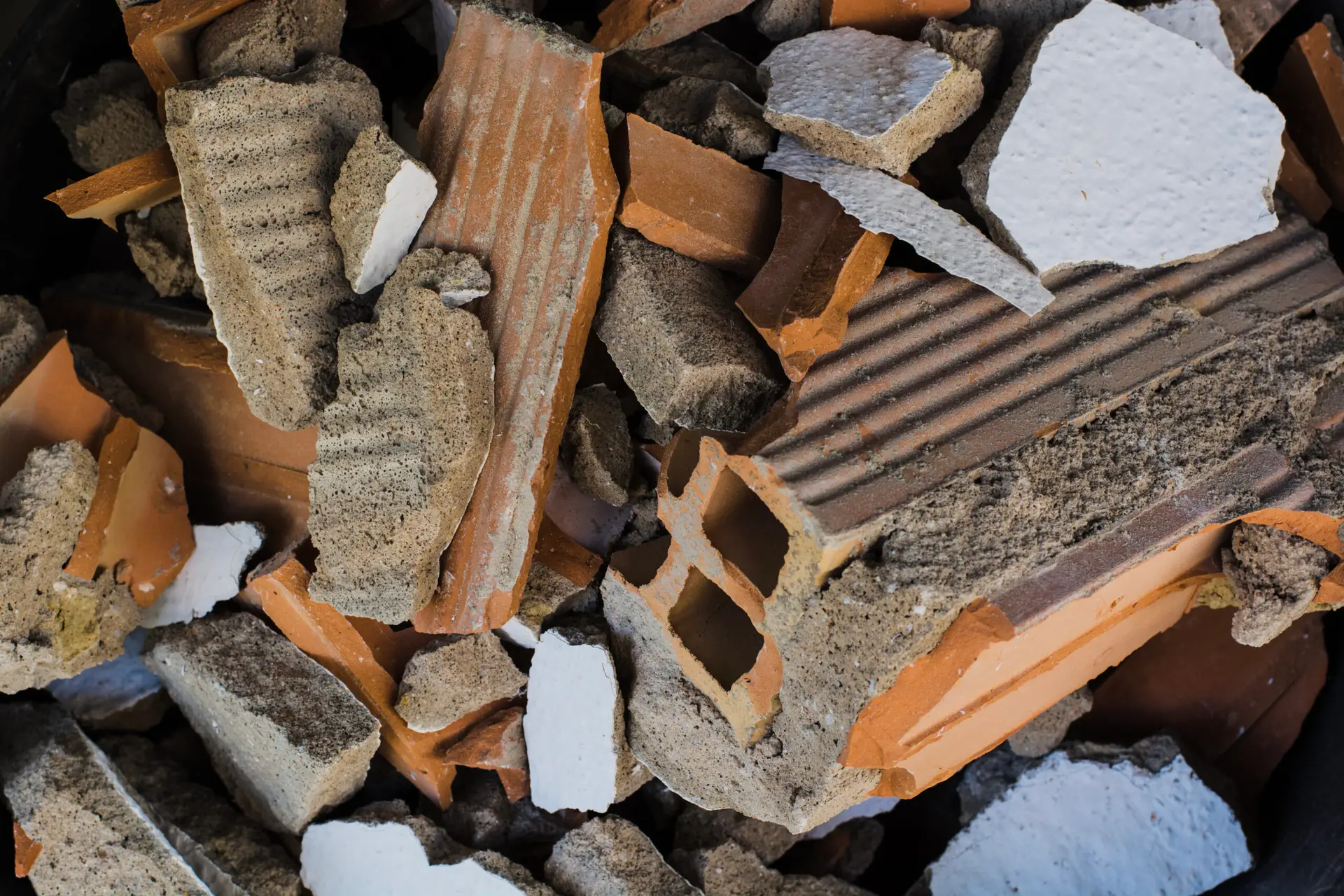
Why it matters: Contractors and homeowners who handle their own debris often face unexpected costs—rental dumpster fees, landfill surcharges, or liability for unsafe disposal. A licensed, insured professional service eliminates these risks and speeds up project completion.
Types of Construction Debris We Handle in Wheaton
Waste Warriors removes virtually every type of construction debris from residential and light commercial projects across Wheaton and the Chicago suburbs.
Common Debris Categories
- Wood & lumber: framing scraps, flooring offcuts, trim, pallets
- Drywall & plaster: old wall sections, joint compound waste, lath
- Concrete & masonry: broken concrete, bricks, asphalt, cinder blocks, pavers
- Metal: rebar, steel pipes, aluminum trim, copper wire, HVAC components
- Roofing materials: asphalt shingles, underlayment, flashing, gutters
- Insulation & vapor barriers: fiberglass batts, foam board, poly sheeting
- Flooring remnants: tile, carpet, vinyl, hardwood, underlayment
- Windows, doors & fixtures: old frames, hardware, doorknobs, light fixtures
- Appliances & fixtures: old HVAC units, water heaters, sinks, bathtubs
- Mixed cardboard & packaging: delivery boxes, protective wrapping, foam
We also handle specialty projects like deck removal (see our debris removal experts) and can coordinate with contractors for ongoing site cleanup throughout your project lifecycle.
Why Hire Professional Removal vs. DIY
Many contractors and homeowners consider DIY debris removal to save money. However, the hidden costs and risks often outweigh the savings.
DIY Debris Removal: Hidden Costs
- Dumpster rental: $400–$1,000+ per week for a 20–30-yard roll-off bin, plus overage fees
- Labor hours: Your crew’s time spent sorting, loading, and hauling instead of productive work
- Vehicle wear & tear: Multiple trips to landfills, disposal sites, or recycling centers
- Landfill tipping fees: $50–$150+ per ton, depending on material type
- Liability & compliance: Risk of fines for improper disposal, injuries, or site violations
- Hauling equipment: Rental fees for trailers, hand trucks, or heavy machinery
Why Professional Removal Is Smarter
- Flat, predictable pricing—no surprise overage charges
- Same-day or next-day removal keeps your schedule on track
- Proper sorting ensures recyclable materials are diverted from landfills
- Full liability insurance protects you and your site
- Compliance with Wheaton and DuPage County regulations built in
- Your crew stays productive on the actual job, not managing waste
For most projects, hiring professionals costs the same or less than DIY—and saves time, stress, and legal risk.
Safety & Local Regulations in Wheaton & DuPage County
Wheaton is part of DuPage County, which enforces strict environmental and safety rules for construction waste. Understanding these requirements is essential before your project begins.
Key Regulations to Know
- Illinois EPA compliance: All construction debris must be disposed of according to Illinois EPA standards, which prohibit illegal dumping and require proper documentation
- DuPage County waste management: Check DuPage County regulations for specific debris disposal rules, recycling mandates, and facility locations
- Hazardous material handling: Materials like asbestos, lead paint, or treated wood require certified removal and disposal; fines for improper handling can exceed $10,000
- Site safety standards: OSHA ergonomics guidelines require proper lifting, securing of loads, and protective equipment
- Residential permits: Some Wheaton neighborhoods require debris removal permits or site-cleanup compliance during renovation projects
Our team stays current with all local regulations, so your project remains compliant from start to finish.
Our Step-by-Step Removal Process
Waste Warriors follows a proven protocol to ensure safe, efficient, and compliant debris removal on every project.
Step 1: Initial Site Assessment & Quote
We schedule a free on-site visit or phone consultation to evaluate the debris volume, types, access, and any special handling needs. This assessment ensures an accurate, transparent quote with no hidden fees. Most quotes are provided within 24 hours.
Step 2: Scheduling & Coordination
Once you approve, we schedule removal at a time that works for your timeline. We offer Mon–Fri service with flexible same-day and next-day options. We coordinate with your contractor to ensure minimal disruption to active work.
Step 3: On-Site Sorting & Loading
Our crew arrives with a fully equipped truck and begins systematically sorting debris into recyclable, reusable, and landfill-bound categories. We use proper equipment (hand trucks, dollies, straps) to load safely and protect your property.
Step 4: Hauling & Responsible Disposal
We transport debris to certified recycling centers, donation facilities, or appropriate landfills based on material type. Metals go to scrap recyclers, wood to mulching facilities, concrete to aggregate recyclers, and non-recyclable items to licensed disposal sites.
Step 5: Site Cleanup & Documentation
After loading, we sweep the site, remove any spilled material, and leave the area clean and ready for the next phase of work. We provide documentation of removal for your records and compliance verification.
Debris Sorting, Recycling & Disposal Best Practices
Modern construction debris removal is as much about resource recovery as it is about hauling. In 2026, the construction industry is increasingly focused on diverting waste from landfills. Waste Warriors aligns with this shift.
How We Maximize Recycling
- Wood: High-grade lumber is donated or resold; low-grade scraps go to mulching or biomass facilities
- Metal: Copper, aluminum, and steel are sorted by type and sent to certified scrap recyclers (these materials often recover 90%+ of their value)
- Concrete & asphalt: Crushed and repurposed as aggregate for road base, new concrete, or landscaping
- Drywall: Can be recycled into new drywall or mulch; never placed in regular landfills in regulated areas
- Roofing shingles: Sent to facilities that repurpose asphalt for road repair
- Appliances & fixtures: Evaluated for resale or certified for proper refrigerant and component recovery
By choosing professional removal, you ensure your debris stream is optimized for landfill diversion and resource recovery. See our page on eco-friendly disposal practices for more detail on our environmental commitment.
What Affects Your Construction Debris Removal Cost
Pricing for construction debris removal depends on several variables. Understanding these factors helps you budget accurately.
Primary Cost Drivers
- Volume & weight: Cubic yards or tons of debris; concrete and metal are heavier and may cost more to dispose of than lumber or drywall
- Material mix: Simple single-material loads (e.g., wood only) cost less than mixed debris requiring sorting
- Access & loading difficulty: Debris on a main floor is cheaper to remove than material scattered across an upstairs renovation
- Hazardous material handling: Asbestos, lead paint, or contaminated soil requires certified removal (add $300–$1,000+)
- Distance to disposal facilities: Projects closer to recycling centers may have slightly lower costs
- Urgency: Same-day or weekend removal may include a small rush fee
Typical Wheaton Project Costs (2026)
- Small renovation (bathroom or kitchen): $400–$800
- Medium project (deck, room addition, partial remodel): $800–$2,000
- Large project (whole-house renovation, demolition prep): $2,000–$5,000+
Pro tip: Get multiple quotes and ask each contractor to itemize material types. This ensures transparency and helps you compare true apples-to-apples pricing. We always provide free estimates by phone or on-site.
Timeline & Scheduling: From Quote to Cleanup
One of the biggest advantages of hiring Waste Warriors is speed. Here’s what you can expect.
Typical Timeline
- Day 1 – Request quote: Call or fill out a form on our website; we respond within 4 hours during business hours
- Day 1–2 – Site assessment: We visit or discuss your project in detail to provide an accurate estimate
- Day 2–3 – Approval & scheduling: You approve the quote; we book your removal in our next available slot (often the same week)
- Day of service: Our crew arrives during your scheduled window, completes removal in 1–3 hours depending on volume, and leaves your site clean
- Post-service: You receive documentation for your records; we handle all disposal and liability
Most Wheaton projects are removed within 2–5 business days of your initial request. For same-day junk removal service, we often accommodate urgent cleanup needs with advanced notice.
Our Eco-Friendly Commitment to Wheaton
Waste Warriors is dedicated to sustainable debris removal that protects Wheaton’s environment and reduces landfill burden.
Our Green Practices
- Diversion-first approach: We aim to divert 70%+ of all debris from landfills through recycling and resale
- Certified recycling partners: All materials are sent to licensed facilities with verified environmental compliance
- Fuel-efficient fleet: Our trucks are regularly maintained and routed efficiently to minimize carbon footprint
- Hazardous waste handling: Proper containment and disposal of dangerous materials prevents soil and water contamination
- Local sourcing: We work with nearby DuPage County recycling centers to keep waste locally managed
- Community education: We share eco-friendly disposal practices with clients to promote responsible construction practices
By choosing professional removal, you’re supporting a business committed to environmental stewardship in the Chicago suburbs.
Before & After: Real Wheaton Projects
Over hundreds of Wheaton-area projects, we’ve developed expertise in handling every renovation scenario. Here are typical examples of the work we do:
Kitchen Renovation Cleanup
A homeowner on the west side of Wheaton removed old cabinetry, countertops, and appliances during a complete kitchen remodel. Our crew removed ~2 tons of mixed debris (wood, laminate, metal hardware, old granite countertop) in under 2 hours. Cost: ~$650. Result: Kitchen ready for new install within the same day.
Roof Replacement Debris Removal
A roofing contractor needed debris removed from a 2,500 sq. ft. home re-roofing project. We hauled away old asphalt shingles, underlayment, flashing, and misc. wood framing from the removal phase. Total: ~3.5 tons. Cost: ~$950. Shingles were sent to a specialized recycling facility for asphalt road base repurposing.
Basement Foundation Repair & Cleanup
A homeowner dealing with foundation crack repair had broken concrete, old drain tile, and miscellaneous demolition waste. Our crew removed and sorted ~4 tons of concrete and masonry. Cost: ~$1,100. Concrete was crushed and recycled as base material at a local facility.
Every project is unique, but these examples show the speed, cost-effectiveness, and environmental responsibility Waste Warriors brings to Wheaton.
Common Mistakes Contractors & Homeowners Make
Understanding what NOT to do is just as important as knowing the right process.
Mistake #1: Underestimating Debris Volume
Problem: Contractors assume one dumpster will cover a renovation but end up renting a second, doubling costs.
Solution: Request a professional site assessment before committing to any bin or removal plan. Our free quote includes a volume estimate that prevents overages.
Mistake #2: Mixing Hazardous Materials with Regular Debris
Problem: Asbestos insulation, lead paint, or treated wood mixed into a general load can result in fines, contaminated recycling streams, and liability.
Solution: Always identify and separate hazardous materials. Our team knows how to flag and properly handle these items before they enter the general stream.
Mistake #3: Ignoring Local Disposal Regulations
Problem: Dumping debris at an unauthorized site or facility violates DuPage County law and can result in citations or legal action against both contractor and homeowner.
Solution: Work with a licensed removal service that guarantees compliance. We handle all regulatory requirements.
Mistake #4: Scheduling Removal After Project Completion
Problem: Debris piles up on-site, creating safety hazards, blocking access, and slowing down subsequent work phases.
Solution: Schedule removal mid-project or as phases complete. We offer flexible scheduling that coordinates with your work timeline.
Mistake #5: Choosing Price Over Professionalism
Problem: Hiring unlicensed, uninsured “junk guys” to save $100 can cost thousands if someone is injured, materials are illegally dumped, or your site becomes non-compliant.
Solution: Always verify licensing, insurance, and references. Waste Warriors is fully licensed, insured, and backed by years of community trust.
Frequently Asked Questions
How quickly can you remove construction debris from my Wheaton project?
We typically schedule removal within 2–5 business days of your initial request. For urgent needs, we often accommodate same-day or next-day service with advance notice. Our Mon–Fri operations let us be flexible around your project timeline.
What’s NOT included in your debris removal service?
We do not remove hazardous materials like asbestos, lead paint, or underground storage tanks without specialized certification (which we can arrange). We also don’t remove live trees, large appliances still containing refrigerant without prior coordination, or materials you’ve flagged as potentially contaminated. Always discuss special cases during your free estimate.
Do you provide documentation for permit compliance or insurance purposes?
Yes. After each job, we provide a removal receipt and, upon request, documentation listing materials hauled and disposal methods. This satisfies most municipal permit requirements and supports your project records.
Can you work around an active job site with contractors and workers still present?
Absolutely. We coordinate closely with your contractor to schedule removal during breaks or less critical work phases. Our crew is trained to work safely alongside active construction and respects site protocols and traffic patterns.
What happens to materials like old wood framing, metal, or appliances—are they truly recycled?
Yes. Wood goes to mulching facilities or resale if high-grade; metals are sent to certified scrap recyclers; appliances are evaluated for resale or proper component recovery. We track diversion rates and can provide details on where specific material streams go if requested.
Are there any materials you refuse to remove?
We remove most construction debris, but we don’t accept items requiring hazardous-material certification (asbestos, PCBs, underground storage tanks) without proper licensing coordination. Tires, liquid waste, and bulk electronics require separate handling. Always list all materials during your quote so we can confirm acceptance.
How does your pricing compare to renting a dumpster and hauling debris myself?
A 20-yard dumpster rental typically costs $400–$600 for a week, plus $50–$150/ton in landfill fees, plus your labor and vehicle wear. Most Wheaton projects cost less with professional removal (which includes sorting, hauling, and responsible disposal), and you recoup those hours through productive work instead of managing waste.
Ready to Get Started?
Construction debris removal doesn’t have to be stressful or costly. Waste Warriors brings professional, compliant, and eco-friendly debris removal to Wheaton and the surrounding Chicago suburbs.
Next Steps
- Call us: (630) 286-3776 for an immediate consultation
- Describe your project: Share details on debris type, volume, and timeline
- Get a free quote: We’ll provide a flat, transparent price within 24 hours
- Schedule removal: We’ll coordinate a convenient time that works with your schedule
- Relax: Our crew handles the rest—hauling, sorting, responsible disposal, and compliance
For more on our full range of services, visit our About Us page to learn about our team and commitment to Wheaton and the Chicago suburbs. You can also explore nearby projects and services like yard waste removal in Wheaton or professional junk removal for other cleanup needs.
Waste Warriors: Your trusted local partner for construction debris removal in Wheaton IL. Licensed • Insured • Eco-Friendly • Veteran-Owned.